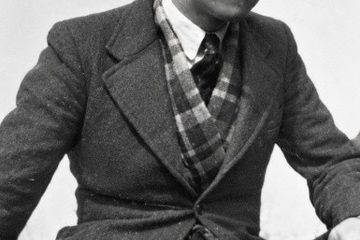
In this paper Dr. Nonja Peters explores the manner in which Dutch women, who left the Netherlands at various times during the postwar period, negotiated and carved out an ‘identity’ and satisfied their need for a sense of belonging in Australia. The interpretation derives its conclusions from oral history interview data obtained from ten females who originated in various provinces in northern and southern Netherlands, and who variously ascribe themselves as having grown-up in either working or middle-class Dutch families. These women, who range in age from 21 to 85 years, were approached using the snowball technique and subsequently interviewed in either their own home or at the researcher’s office. Additional information was obtained from them via telephone conversations. The eight (four adults and four children) who arrived here between 1949 and 1956 when assimilation ideology prevailed, were compelled to construct and articulate an ‘identity’ in a society that disabled newcomers by stigmatising ethnicity. These women’s experiences are compared to those of a Dutch mother and daughter who settled here in 1989, by which time Australia had adopted a policy of multiculturalism. The women’s responses are contextualised within the larger framework of migration history of the time.
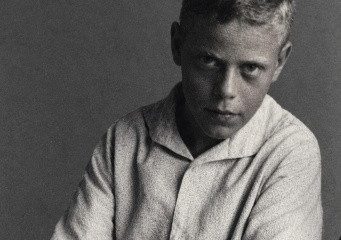
Jan Willem van Zon – from Sliedrecht to Australia
The following is an English translation of the original Dutch account. The complete Dutch document is attached below. Jan Willem van Zon was born in Sliedrecht on 7 December 1926. He was the son of Read more