On 1 August 1711 the ship the Zuytdorp left the Netherlands with a load of freshly minted silver coins. The ship never arrived at its destination and was never heard from again. No search was undertaken, presumably because the VOC did not know whether or where the shipwrecked or if taken by pirates.
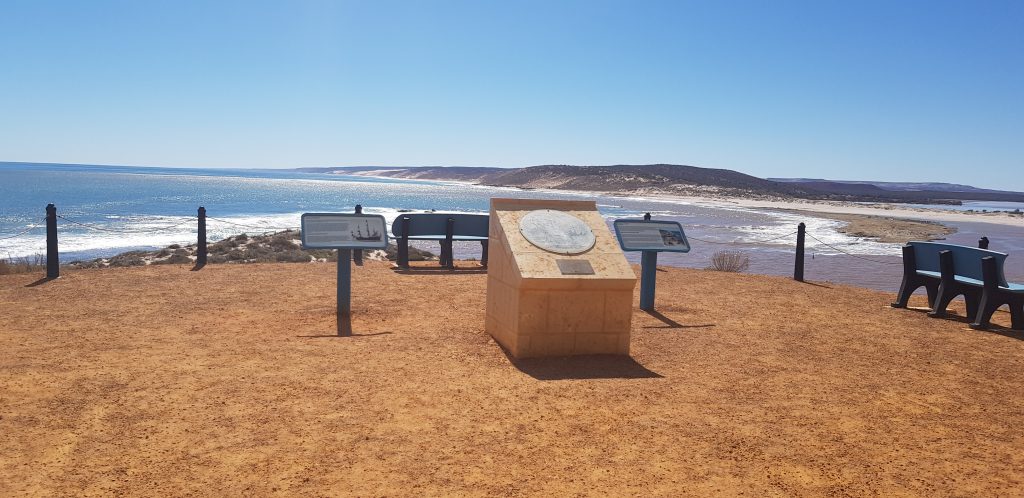
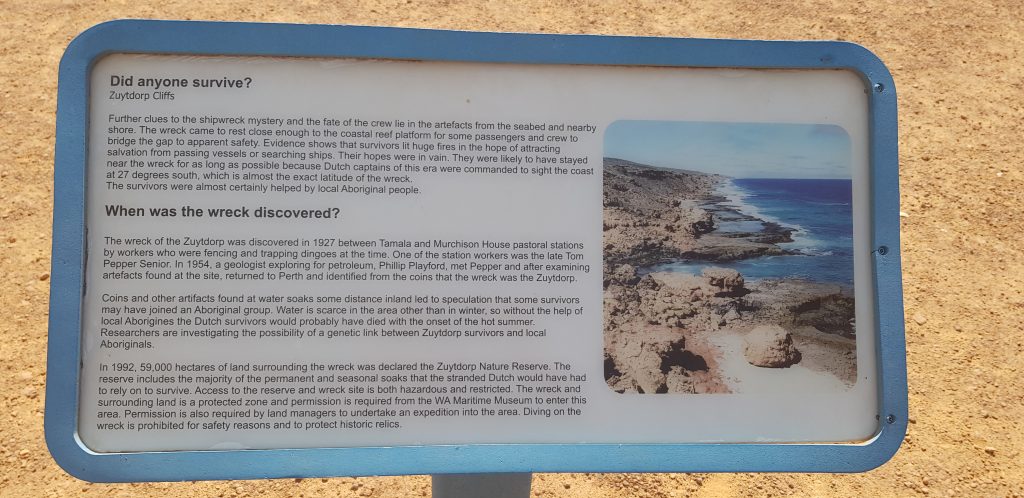
In the mid-20th century, Zuytdorp’s wreck site was identified on a remote part of the Western Australian coast between Kalbarri and Shark Bay, approximately 40 km north of the Murchison River. The name of the ship means “South Village”, after Zuiddorpe, an extant village in the South of Zeeland in the Netherlands, near the Belgian border.
News of an unidentified shipwreck on the shore surfaced in 1834 when Aborigines told a farmer near Perth about a wreck – the colonists presumed it was a recent wreck and sent rescue parties who failed to find the wreck or any survivors. In 1927, wreckage was seen by an Indigenous-European family group from a clifftop near the border of Murchison house and Tamala Stations. Tamala Station head stockman reported the find to the authorities, with their first visit to the site occurring in 1941.
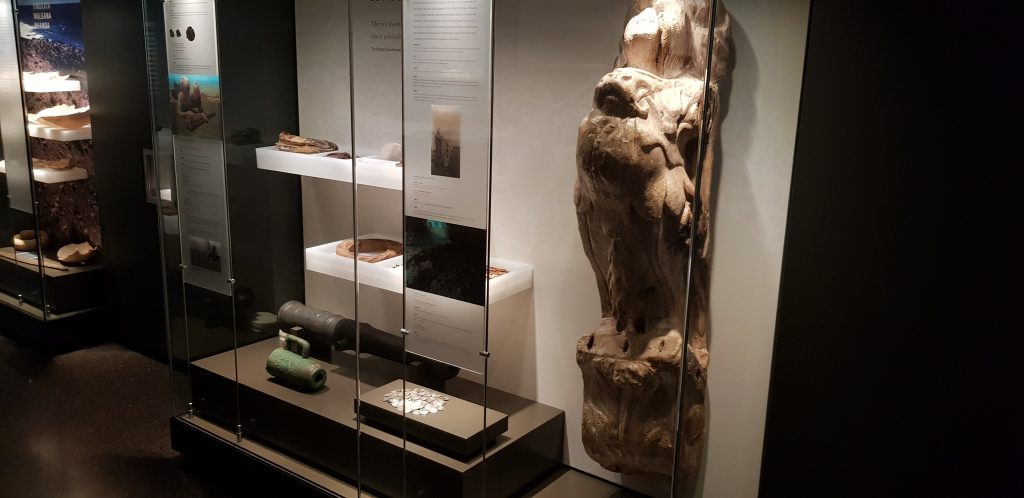
In 1954 Pepper gave Phillip Playford directions to the wreckage. Playford identified the relics as from Zuytdorp.The rugged section of coastline where the ship was wrecked was subsequently named the Zuytdorp Cliffs. In the 1980s investigations by the Western Australian Museum initially concentrated on recovering the silver deposits but was soon turned into a multi-disciplinary archaeological and cultural project.
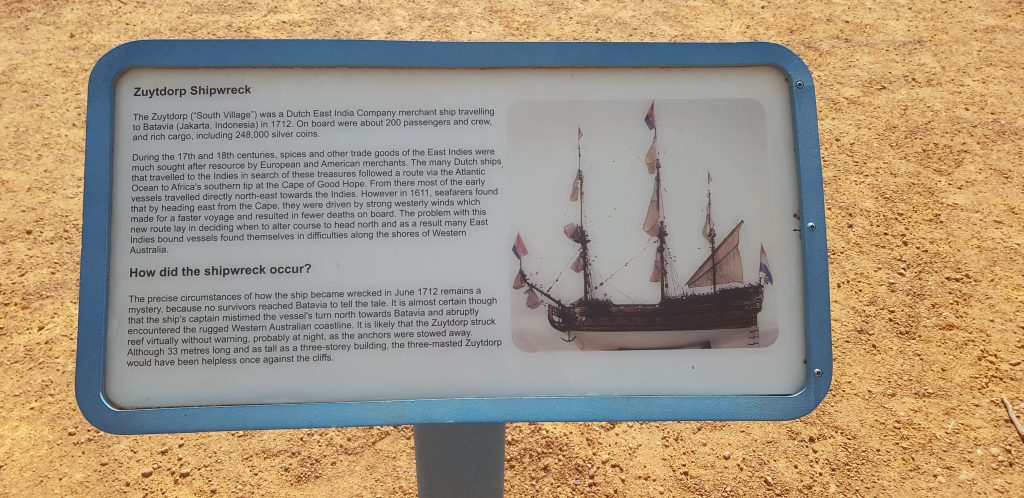
We visited the site in 2018, when the pictures below were taken.
Paul Budde