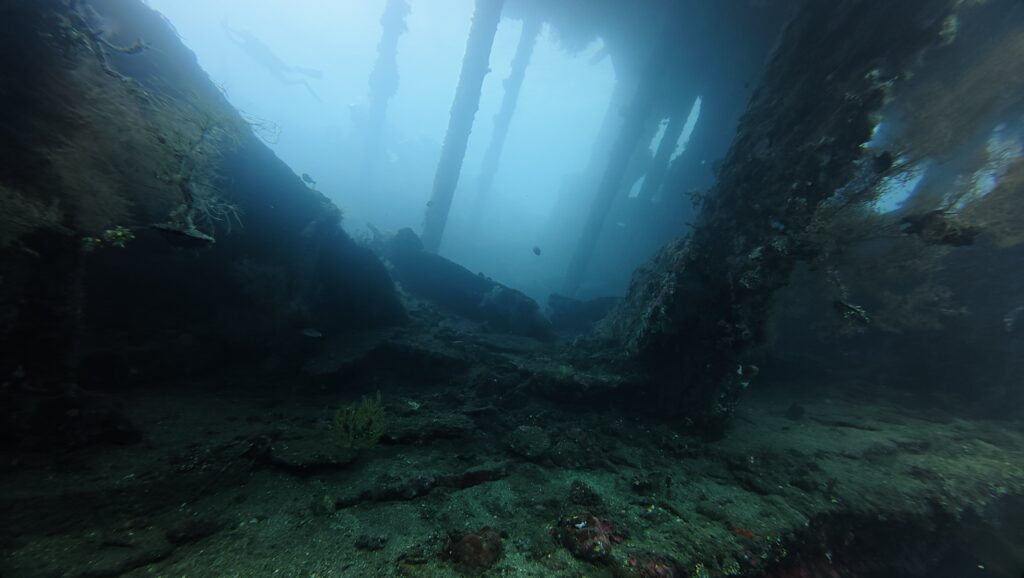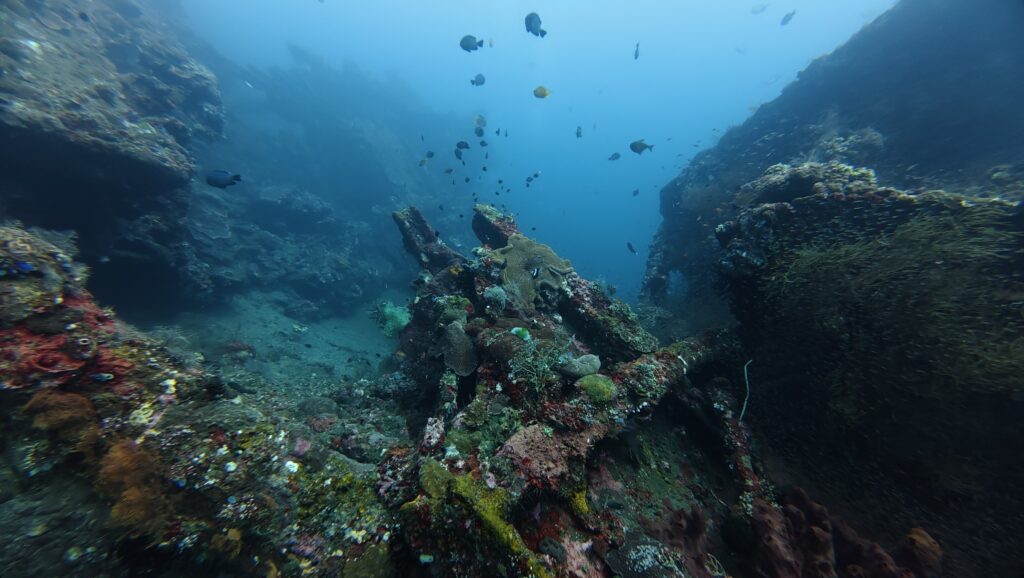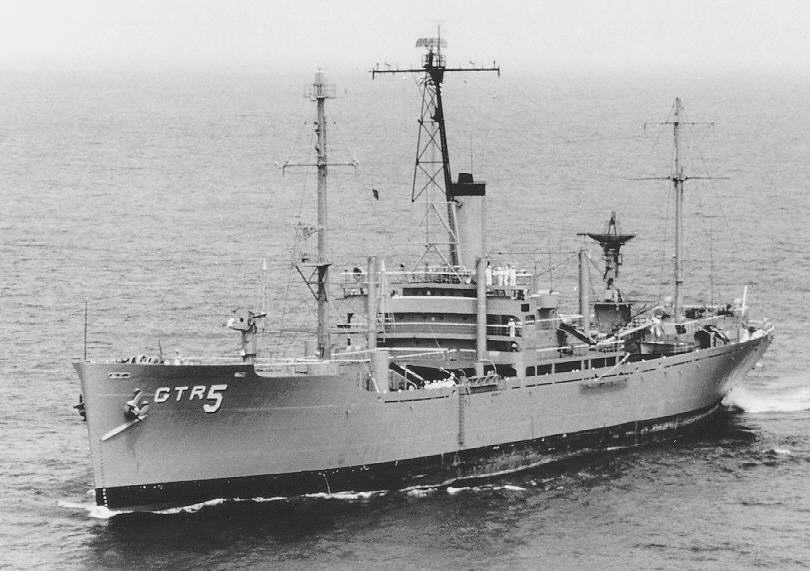
The American shipwreck at Tulamben in Bali, well known today among divers, is the remains of the USAT Liberty. I was alerted to this wreck by my grandson, Neriya, who dived the site in February 2026. While the vessel itself was American, its final voyage in January 1942 unfolded within the same Australian-based logistical system that was simultaneously sustaining Dutch military and governmental activity during the collapse of the Netherlands East Indies.
An American ship in Dutch colonial waters
Liberty was a United States Army transport built in 1918 and reactivated during the Second World War. In early January 1942, the ship was carrying a cargo of rubber and military-related materials from Australia toward Allied bases in Southeast Asia and the Philippines. On 11 January 1942, it was torpedoed by a Japanese submarine in the Lombok Strait. Badly damaged, the vessel was towed to the north coast of Bali and deliberately beached near Tulamben to prevent its total loss.
At the time of the attack, Bali formed part of the Netherlands East Indies, although Dutch authority in the region was rapidly disintegrating under Japanese advance. The incident therefore took place in Dutch colonial waters, but without Dutch operational involvement.
Departure from Australia and the Brisbane logistics hub
By late 1941, Australia had become a crucial Allied logistics centre. The arrival of large American forces in December of that year transformed Brisbane into a primary supply and staging hub for operations in the Southwest Pacific.
This development coincided with the evacuation and reorganisation of Dutch military units, government officials and purchasing missions from the Netherlands East Indies. Having lost access to their traditional supply routes, Dutch forces increasingly relied on Australian ports, warehouses and transport infrastructure.
Liberty sailed from Australia during this critical transition period. Although it was an American vessel on an American tasking, it moved through the same ports, docks and supply chains that were also supporting Dutch wartime operations in exile.
The ABDA setting
The ship’s final voyage coincided with the formation of the ABDA Command (American–British–Dutch–Australian Command), established in mid-January 1942 to coordinate Allied defence of the Netherlands East Indies and surrounding regions.
Liberty was not assigned to ABDA and did not operate under its tactical control. Nevertheless, its mission belonged to the same emergency supply effort that ABDA was created to manage. In that sense, the ship forms part of the wider Allied logistical activity on which Dutch defence efforts depended during the final weeks before the fall of Java.
From beached hulk to underwater wreck
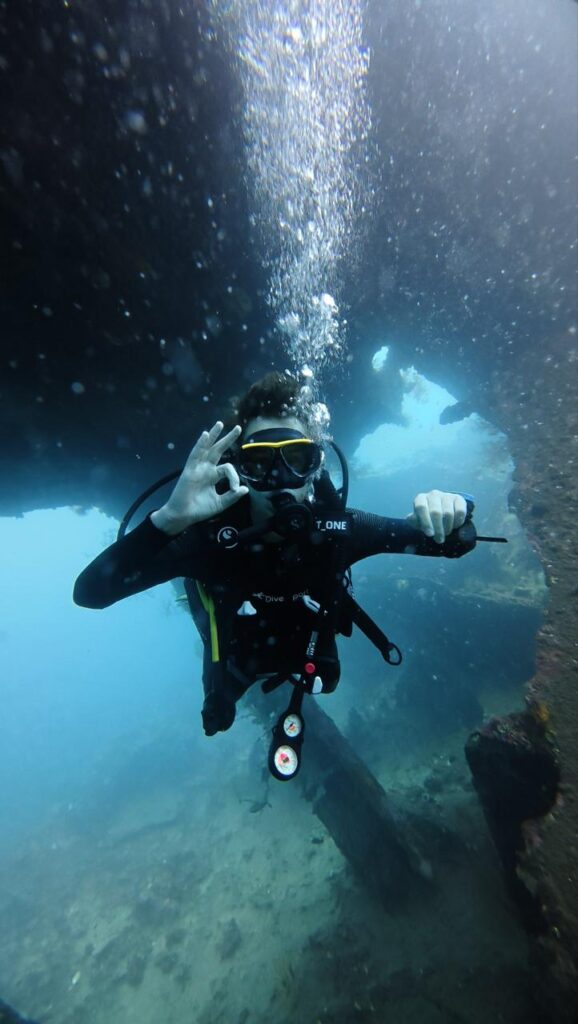
After being beached in 1942, Liberty remained on the shoreline at Tulamben for more than twenty years. In 1963, seismic activity caused by the eruption of Mount Agung shifted the wreck into deeper water, where it settled on a sandy slope offshore. Over time, the hull became covered in coral and marine life, transforming it into one of the most accessible Second World War shipwrecks in the region.
Today, the wreck is best known as a dive site, but its presence also reflects a brief and intense moment in early 1942 when Australian ports underpinned Allied supply efforts involving American, Australian and Dutch forces as the war in Southeast Asia reached a critical turning point.
Paul Budde