Interview with Vicki Mynott ca 2014
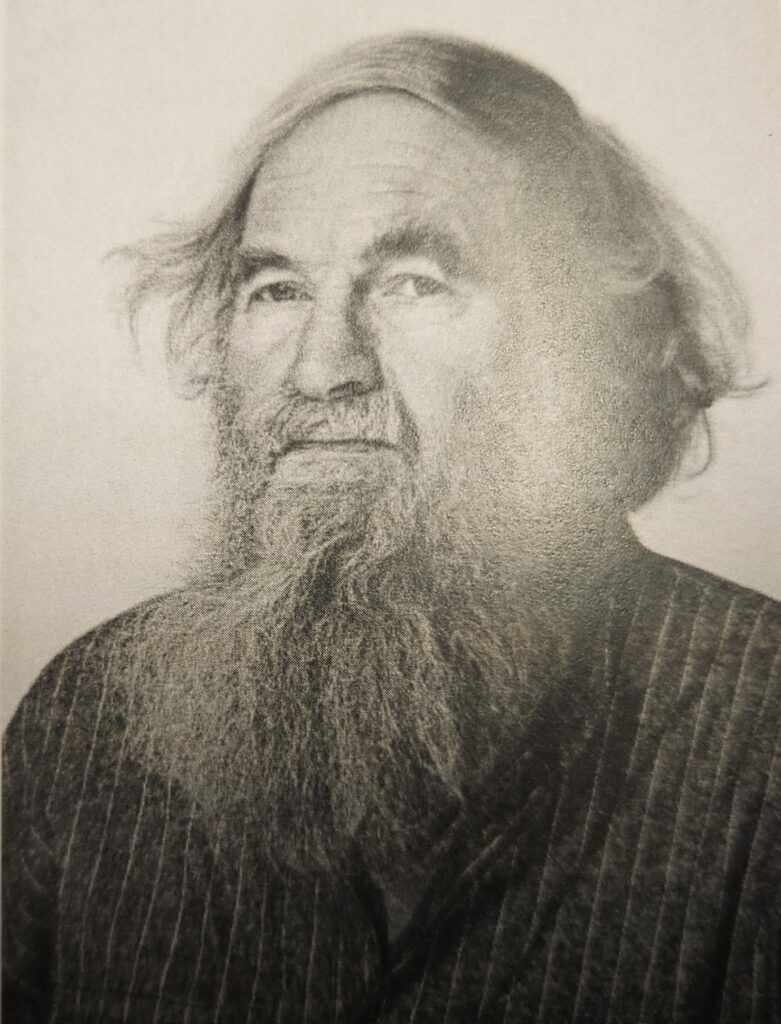
I was eight when we arrived in Australia in 1959. Like many immigrants, we docked in Sydney then took a train to South Brisbane, then a bus on to Wacol Migrant Camp.
The Dutch
There were a lot of Dutch people coming in then — and I reckon 60% of them were somehow linked to the Netherlands East Indies. After the war many unemployed men, like my father, had joined the Army and were sent to Netherlands East Indies where there was an uprising against Dutch control. When Indonesian independence eventuated in 1949 a lot of Dutch came straight to Australia.
Dad went back to Mum in Holland. For years he travelled with his work and he decided he liked the tropical climate. His elder sister emigrated to Wacol in 1956 and we followed in 1959.
Wacol was all bush to start with — so different to Holland where every bit of land is used. There was a sand quarry and a lake — it was an adventure for us kids. Mum often took photos to send to family in Holland, so I now have an album recording those days.
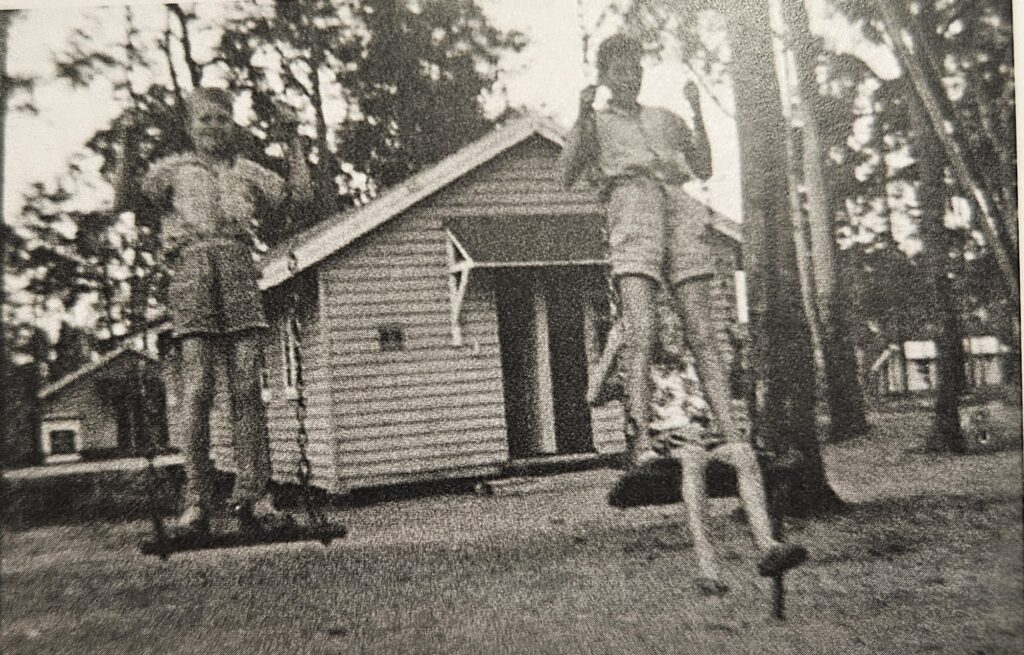
Dad was lucky: he found a job right in Wacol at the Dowsett concrete factory — and when they found he was an experienced crane driver, he had a job for life. He bought 2½ acres at 36 Wilga St — and it used up the “go home to Netherlands” money — so then we had to stay. We stayed in the Migrant Centre for 18 months (most people got out in 3–6 months) and every weekend Dad spent building our house.
It seems to me about half of Wacol was Dutch at that time. Other Dutch adults became our uncles and aunties — there was a real sense of community. We caught the train to school in Goodna. It was shocking when it was the new “silver train” — aluminium carriages pulled sometimes by a diesel. Of course coming home we jumped off the end of the station nearest home — a lot of adults did too. Dad’s crane used to load pre-stressed beams onto trucks and sometimes onto the train straight from Dowsett’s (now Wagners). He loaded all the blocks to build the T&G building in town.
The House
The house was of simple design but roomy. The combustion stove was always going — it provided cooking, hot water and heating. In summer my brother and I chopped a lot of wood off our property, and when they were clearing to subdivide the adjacent property people we scavenged wood from there.
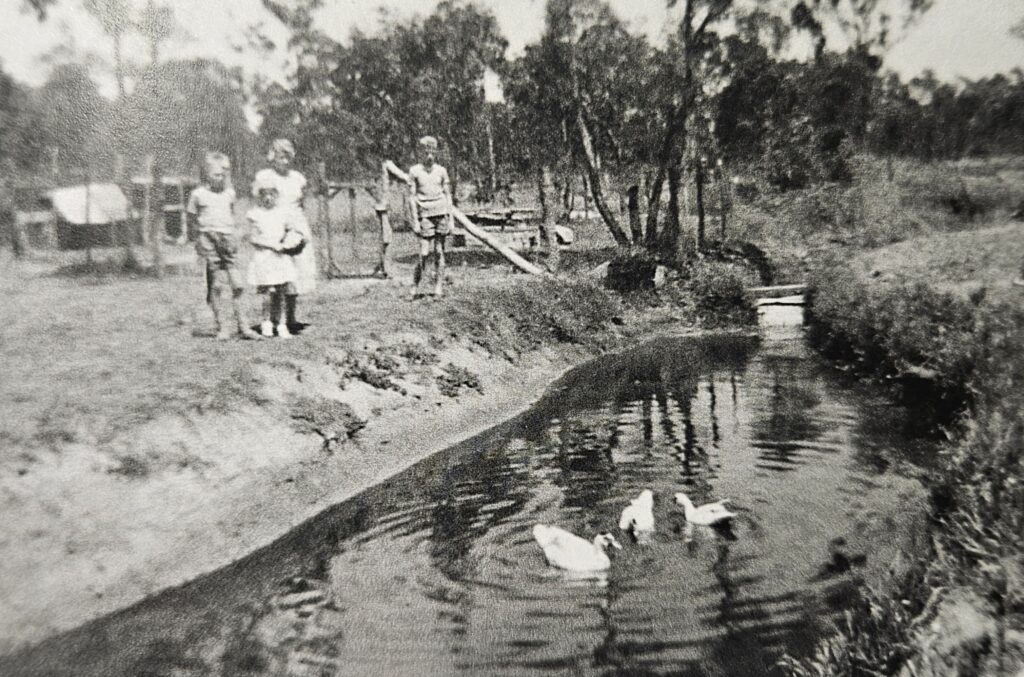
The local creek used to run through our property. We dammed it into a “canal” that ran along the property line. We had ducks and vegetables and watermelons and strawberries. Dad planted them, but we kids sold strawberries around the neighbourhood for pocket money (I remember we sold strawberries for 2/- a pound).
Dad had started collecting butterflies in Africa and it became my hobby too — the rarest one I found in Wacol was a big Richmond Birdwing. I used to tag butterflies for the entomology department of the Sydney Museum.
We wandered all over Wacol — the golf course and the hospital provided plenty of ground. I remember when Jim Coogan was in charge at Gailes Golf Club. If he saw you on the course he would call you over. Any balls you had found he would pay 6d for — we could get 1/- from anyone else.
There was “my” lake in the Asylum grounds — where the Police Academy is going now. We spent hours there in a “boat” I built with some mates.
We saw numbers of the patients, but we didn’t meet the dangerous ones. They were in secure wards so we were never scared. Many others had been put there by family and just forgotten. They were institutionalised — and harmless. These people had a lot of freedom — one fellow came to sharpen Dad’s tools, others had a boat on the river. A number were killed by trains, though.
The old Asylum cemetery site was up off Wilga St. (they had relocated it down to Goodna cemetery). The empty graves were evident, but I remember just one headstone and a few gravesite numbers that were left behind.
The vegetable and flower gardens were between the old and new cricket pitches — and they were still growing flowers there a few years ago.
There were occasional floods. I remember a flood in November 1961 covered Dad’s potato crop. In the 1974 flood, Wacol was isolated, and bread and milk was supplied to the locals from the prison.
The Railway
We caught the train to school in Goodna. It was exciting when it was the new “silver train” — aluminium carriages pulled sometimes by a steam loco and sometimes by a diesel. Of course coming home we jumped off the end of the station nearest home — a lot of the adults did too.
Dad’s crane used to load pre-stressed beams onto trucks and sometimes onto the train straight from Dowsett’s (now Wagners). He loaded all the blocks to build the T&G building in town.
The railway workshop was quite big and very visible from our place. The little post office was on Railway land. I remember Jim Coogan had a shop on railway land too; we used to collect bottles to sell to him for lolly money. Then in the ’70s Mr Pratt built some shops made of besser blocks.
The Wacol Industrial Centre was opened in the 1960s. They moved a number of houses from the site across Ipswich Road closer to the railway line — and some are still there. But the railway spur line into the estate was a boo-boo — the curve was too tight or something.
In 1976 I married and we travelled and then bought our own land. But my parents lived in Wacol for the rest of their lives and my brother now owns the family home in Wilga Street.
From the book: Wacol, Wolston, Woogaroo 1823-2014. Volume 2 Biographies & Interviews By Vicki Mynott. Richland, Inala and Suburbs History Group. Published with permission from the author.