Zwier Albertus ‘Alby’ Mangels was born in the Netherlands on 16 November 1948. In 1955, he migrated to Australia with his parents and siblings as part of the large post-war wave of Dutch migration. The family settled in Mount Burr in South Australia, where Mangels spent his formative years.
Growing up in rural South Australia, Mangels experienced frequent moves and family disruption. He left school at a young age and worked in a range of practical jobs before beginning the extended travels that would later define his public career. He became a naturalised Australian citizen in December 1968.
Mangels is best known in Australia for the World Safari adventure documentaries produced during the 1970s and early 1980s. These films followed long, often arduous journeys through Asia, Africa and Australia and stood out for their independent, low-budget production style and highly personal approach. At a time when international travel was still beyond the reach of most Australians, World Safari offered audiences a direct and unvarnished view of remote places and demanding journeys.
Early journeys and independent filmmaking
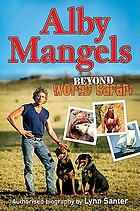
Mangels’ entry into filmmaking did not come through formal media training. Instead, it emerged from extended overland travel undertaken with his travelling companion John Fields. Over several years, the pair travelled across multiple continents, filming as they went and gradually accumulating footage.
This material was later edited into World Safari documentaries, released in 1977. Before gaining wider distribution, Mangels initially screened the film in regional Australian cinemas, personally presenting it to audiences. The unexpected popularity of these screenings led to broader cinema release and later television broadcast on Channel 9. Two sequels followed, consolidating Mangels’ reputation as a distinctive figure in Australian adventure filmmaking.
The Dutch-built DAF car
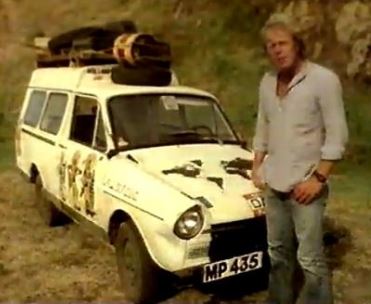
A notable Dutch element in the World Safari story is the vehicle used during the African leg of the journey. Mangels and Fields travelled part of the route in a small DAF car, manufactured by DAF (Van Doorne’s Aanhangwagen Fabriek) in Eindhoven in the Netherlands. The vehicle was known for its variomatic continuously variable transmission, an unusual feature at the time.
The DAF was purchased in Nairobi and driven across large parts of Africa and onwards toward Europe. The feat of taking a small, lightly powered car across difficult terrain became one of the memorable aspects of the journey captured in World Safari. For a while, at least, the vehicle was preserved in the DAF Museum in Eindhoven, providing a tangible link between Mangels’ travels and his country of birth.
Public profile and later life
At the height of his popularity in the late 1970s and early 1980s, Mangels was a highly visible figure in Australian popular culture. His physical endurance, self-reliant style and informal on-screen persona aligned closely with Australian adventure storytelling of the period.
Following the commercial failure of World Safari III, Mangels withdrew from public life and became increasingly reclusive. For many years he avoided media attention, despite the continuing interest in his earlier work.
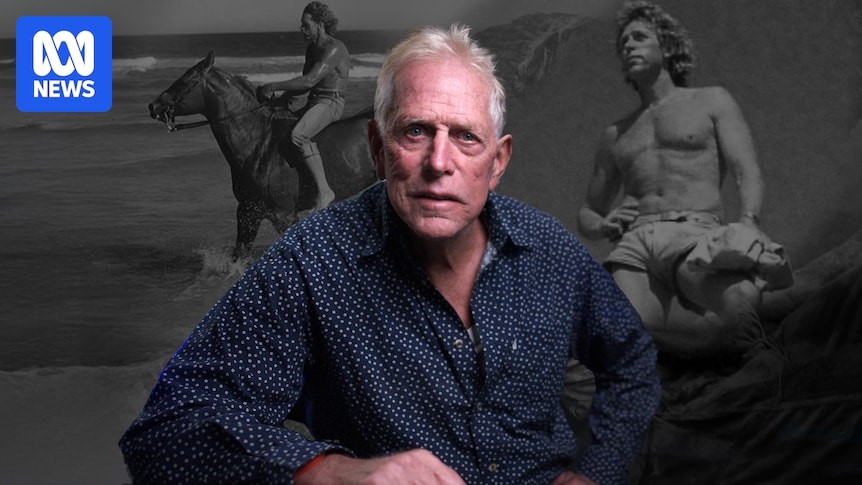
In recent years, renewed public attention — including through the ABC’s Australian Story episode Finding Alby Mangels — has revisited Mangels’ life and career, bringing greater awareness of his early years, his Dutch birth and migration to Australia, and the personal cost of his long absences and extreme journeys. He has since been involved in remastering and re-releasing parts of his film catalogue for new audiences.
Background
Although Mangels’ public identity was shaped entirely within Australia, his early life as a Dutch-born migrant forms part of the broader post-war history of Dutch families who settled in Australia during the 1950s. His biography reflects one of the many varied paths taken by Dutch migrants and their children in Australian society, from rural settlement to highly unconventional public careers.
See also: Wikipedia