Introduction
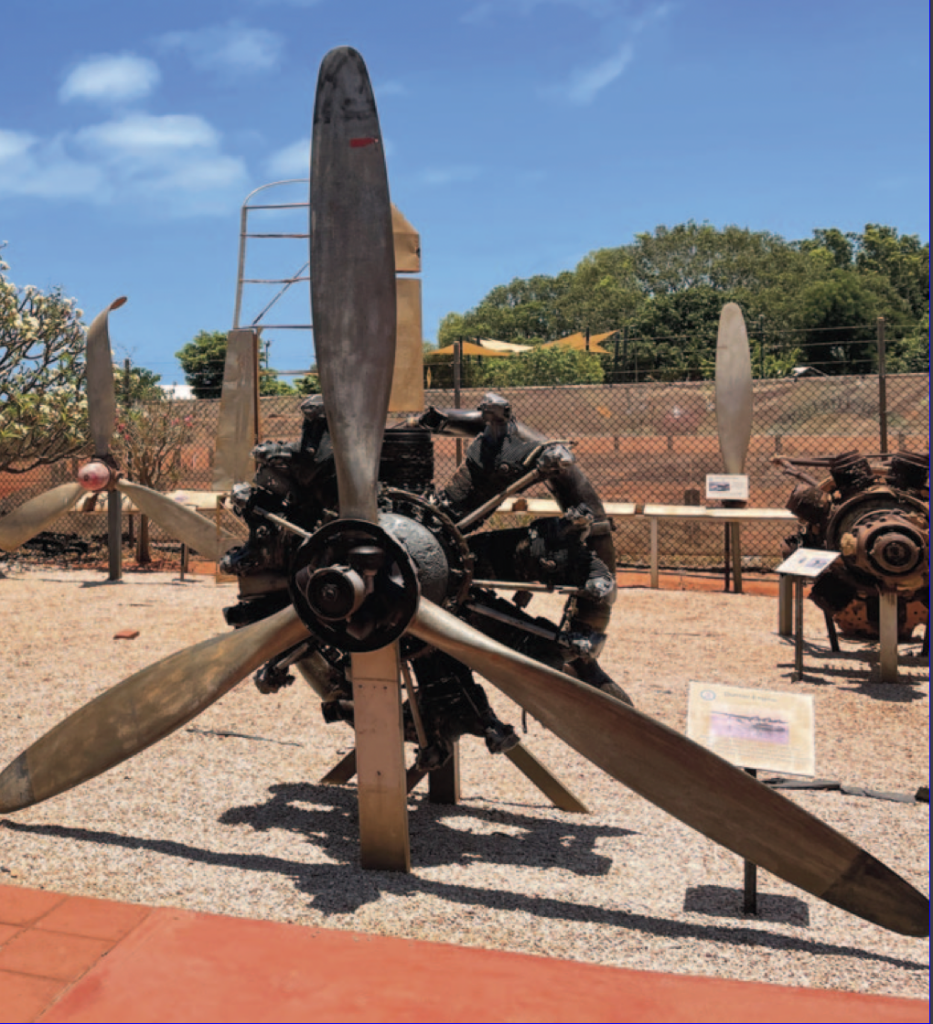
Among the most tangible reminders of the dramatic Dutch wartime presence in Western Australia is a salvaged engine from a Dornier Do-24 flying boat, now preserved in the Broome Historical Museum.
Recovered decades after the Japanese air raid on Broome in March 1942, this artefact provides a rare physical connection to the Netherlands East Indies naval aviation units that operated evacuation flights across the archipelago and into Australia during the final weeks of Allied resistance in the region.
The Dornier Do-24 and Dutch naval aviation
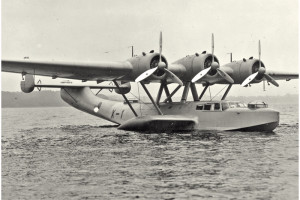
The Dornier Do-24 was one of the most important flying boats used by the Marine Luchtvaartdienst (MLD), the naval air arm of the Netherlands East Indies. Designed for long-range maritime patrol, reconnaissance and rescue missions, the aircraft was particularly well suited to the vast distances and dispersed island geography of Southeast Asia.
In early 1942, as Japanese forces advanced rapidly through the Netherlands East Indies, Dornier flying boats became critical evacuation aircraft. They transported military personnel, government officials and civilians southwards to Allied bases, including temporary staging points along Australia’s northern coastline.
Destruction during the Broome air raid
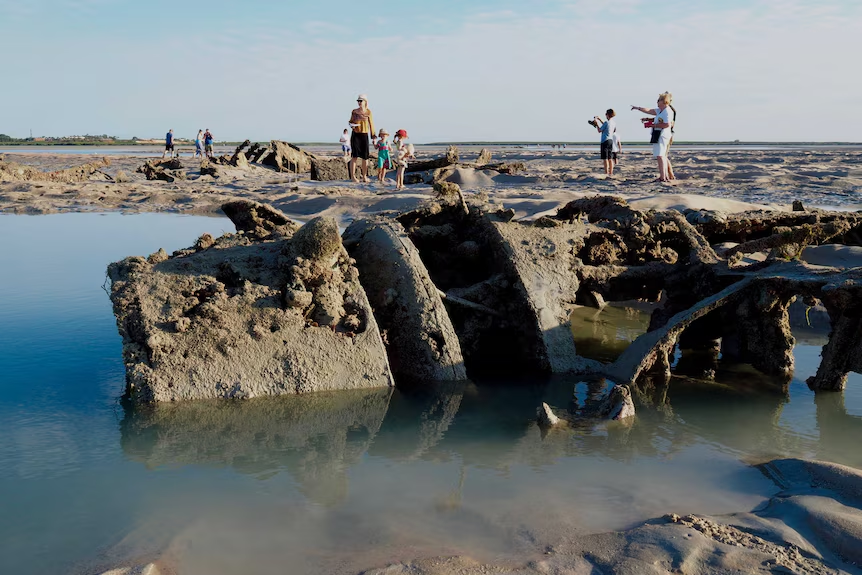
Several Dutch Dornier flying boats were anchored in Roebuck Bay when Japanese Zero fighters launched a surprise attack on Broome on 3 March 1942. Within minutes, multiple aircraft were destroyed or severely damaged while attempting to take off or while moored on the water.
The attack left wrecked flying boats scattered across the bay and contributed to the loss of many Dutch, Allied and civilian lives. Over time, the remains of these aircraft became part of the submerged wartime landscape of Broome — today recognised as protected heritage sites and maritime war graves.
Recovery of the engine
In the late 1970s, local divers and heritage enthusiasts salvaged components from one of the Dornier wrecks. Among the most significant recoveries was a large radial engine and propeller assembly, believed to be from a Dornier Do-24 aircraft destroyed during the raid.
After decades submerged in saltwater, the engine was heavily affected by corrosion and chloride contamination. Nevertheless, it represented one of the few surviving physical relics of Dutch naval aviation operations in Australia.
Conservation and Dutch-Australian cooperation
Recognising its historical importance, a conservation project was undertaken to stabilise the artefact. Funding support from the Embassy of the Kingdom of the Netherlands, together with contributions from local government and community grant programmes in the Kimberley region, enabled specialist conservators to treat the engine.
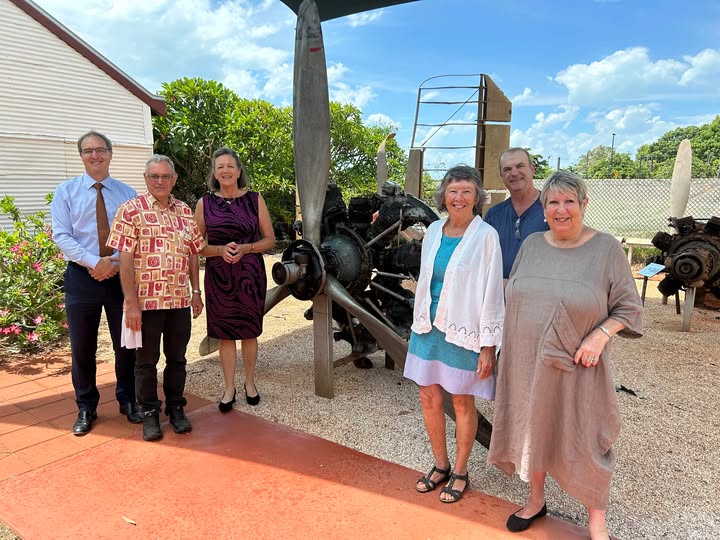
Using sponge-blasting techniques, they carefully removed damaging chlorides and stabilised the metal surfaces. The conservation process, which took several days, significantly extended the life of the object and ensured its continued display for educational and commemorative purposes.
The project also symbolised ongoing Dutch-Australian cooperation in preserving shared wartime heritage. Diplomatic representatives from the Netherlands have visited Broome in connection with commemorative activities and heritage initiatives linked to the flying-boat wreck sites and museum collection.
A powerful symbol of wartime evacuation and loss
Today, the Dornier engine on display in the Broome Historical Museum stands as a powerful reminder of the dramatic evacuation flights of early 1942, the vulnerability of flying-boat operations and the human tragedies that unfolded during the air raid.
Unlike archival photographs or written accounts, the physical presence of the engine allows visitors to confront the material reality of wartime aviation. It represents both technological ingenuity and the fragility of Allied resistance during the final days of Dutch control in the Netherlands East Indies.
Significance for Dutch-Australian heritage
For the Dutch Australian Cultural Centre, the preserved Dornier engine is one of the most important surviving Dutch aviation artefacts in Australia. It connects the story of the Netherlands East Indies naval air service with Western Australia’s role as an evacuation gateway and highlights the continuing importance of heritage conservation, research and commemoration.
As interest grows in documenting the Dutch wartime experience in Australia, artefacts such as this engine provide invaluable focal points for historical interpretation and public memory.
See also: Broome plane wreck could uncover lost secrets of deadly World War II air raid