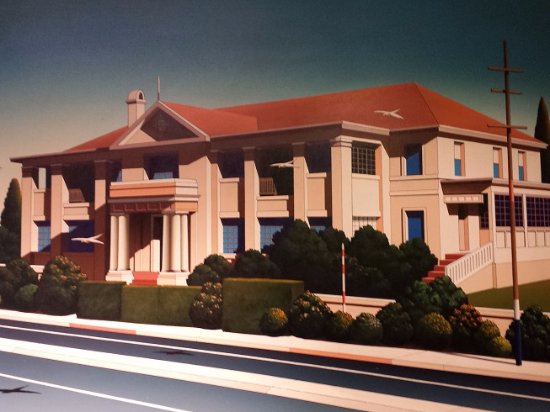
When I walked into the Grand View Hotel in Wentworth Falls in the NSW Blue Mountains to have drink on a Saturday evening, I noticed a painting of recently nicely restored hotel painted by James Willebrant. Having the DACC in mind I wanted to see if there was a Dutch connection with a name like Willebrant.
I contacted James and his partner Ida and of course there is, James Willebrant is an Australian artist whose life story reflects the complex global movements of Dutch families before, during and after the Second World War. His Dutch–Australian heritage begins with his father, Jacobes (Jaap) Hendrik Willebrant, whose career and wartime service took him across Europe, Asia and Australia.

Jaap Willebrant left Rotterdam in the 1930s as a young man to take up a position with the China Holland Trading Company in Shanghai. His journey to China included travel on the Orient Express, an experience that at the time was akin to travelling to another world. Shanghai’s International Quarter was a cosmopolitan environment, populated by Dutch, German, French and Russian expatriates, and it would later play a central role in the Willebrant family story.
When war broke out, Jaap enlisted in the Dutch Forces. While en route to Canada by troop ship, his unit was diverted to Australia, landing in Melbourne. It was there that he met Yvonne Linton, an Australian who had been seconded as a driver for the Dutch Forces. Their paths crossed again when Jaap was posted to Sydney, where the two married after a brief courtship.
Following the war, Jaap and Yvonne returned to Shanghai, travelling via Hiroshima on a special cargo ship and becoming among the first Western civilians to witness the aftermath of the atomic bombings. Back in Shanghai, Jaap resumed work with the China Holland Trading Company. The couple enjoyed an active social life within the International Quarter, and Jaap was also known for playing the piano at the International Club.
James Willebrant was born in Shanghai in 1950, into this vibrant expatriate community. Political change soon reshaped the family’s life. As the Chinese Revolution took hold, they left Shanghai in 1951 when James was still an infant. The next chapter saw Jaap working for the Dutch company Internatio in Indonesia, before further upheavals once again altered the family’s course.
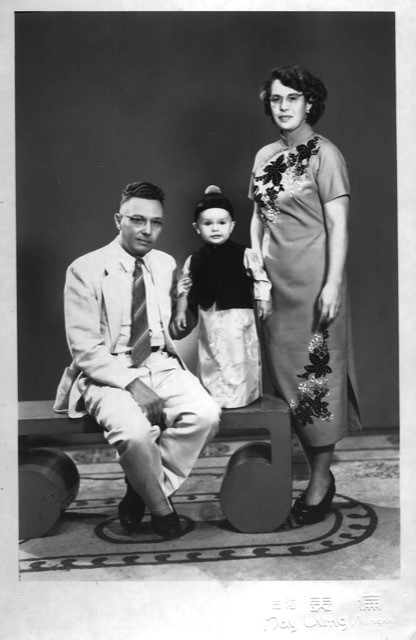
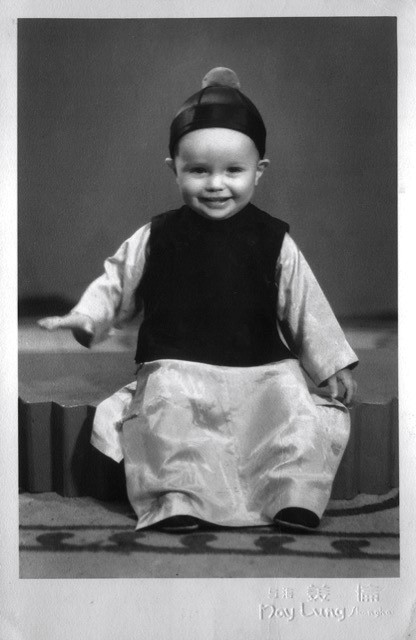
In the early 1950s, the Willebrant family spent several years in the Netherlands, including time in Noordwijk aan Zee, before migrating permanently to Australia in 1958. These years formed part of James Willebrant’s earliest lived experience, linking his Dutch heritage, Asian birthplace and Australian future.
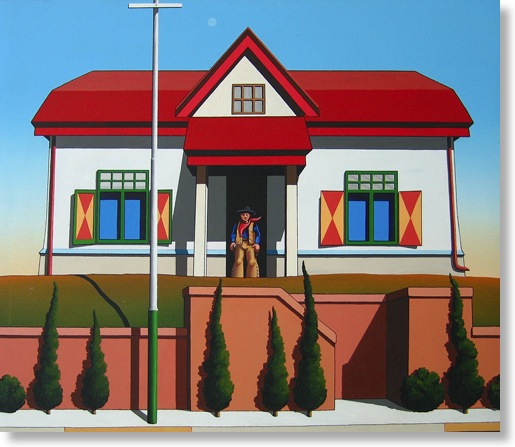
Seen through a Dutch–Australian lens, James Willebrant’s story encapsulates the trajectories of many Dutch families whose lives were shaped by global trade, war, decolonisation and migration. His later artistic career in Australia sits within this broader historical context, where Dutch heritage, international experience and Australian cultural life intersect.
See also: James Willebrant limited edition prints
Paul Budde – January 2026