From VOC trading worlds to wartime exile: a material history across four centuries
Dutch coins discovered in Australia tell a story far richer and more complex than simple first contacts or accidental landfalls. These small objects, sometimes corroded coppers, sometimes fused silver from shipwreck sites, and sometimes the stray pocket change of wartime evacuees, link Australia to global systems of trade, migration, warfare and diplomacy that span more than four hundred years. From the seventeenth century VOC trading world centred on Batavia and Makassar, to the Dutch government-in-exile operating from Brisbane in the 1940s, Dutch coins appear at precisely the points where Australia’s history intersects with broader maritime and geopolitical networks.
VOC coins along the Arnhem Land coast
Dutch coins discovered along the Arnhem Land coast speak to a long-term pattern of contact shaped by the trepang trade. From at least the early 1700s until 1906, Makassan fleets from Sulawesi visited Arnhem Land each season to process bêche-de-mer for the Chinese market. These voyages operated within a maritime world influenced by the VOC, particularly after the Treaty of Bungaya in 1667 brought Makassar under Dutch control. Although Bugis and Makassarese captains retained significant autonomy, Makassar functioned as a VOC port where Dutch, Asian and mixed international coinage circulated freely. Coins minted in the Netherlands or VOC territories could therefore reach Arnhem Land through several routes. Makassan captains carried small-denomination currency, Yolngu crew returning from Makassar brought coins home as personal items, and coins circulated through the Indonesian archipelago long after their official minting. Numerous VOC copper and silver coins dated between about 1690 and 1800 have been recovered from coastal trepang sites, linking the Yolngu world to the wider VOC commercial zone.
The Wessel Islands cache
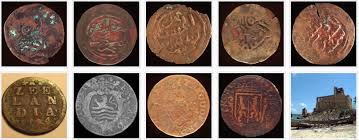
The most intriguing northern find is the Marchinbar Island cache discovered during the Second World War by RAAF serviceman Morry Isenberg. Among nine coins retrieved from the sand were five medieval Kilwa coins from East Africa and four VOC coins, the latest dated 1784. Kilwa coins are extraordinarily rare beyond East Africa and Oman, making their Australian presence initially seem improbable. Subsequent work by Ian McIntosh and the PastMasters team has shown that the coins are genuine and that the African and Dutch pieces may have been deposited together in the late eighteenth or early nineteenth century. Makassar, a cosmopolitan trading hub where African, Arabian, Indian, Indonesian and European goods mingled, provides a credible mechanism for their arrival in Australia. The Marchinbar find reveals the enormous mobility of small objects in the Indian Ocean world and their ability to reach distant shores through many intermediaries.
Shipwreck coins summarised in one paragraph
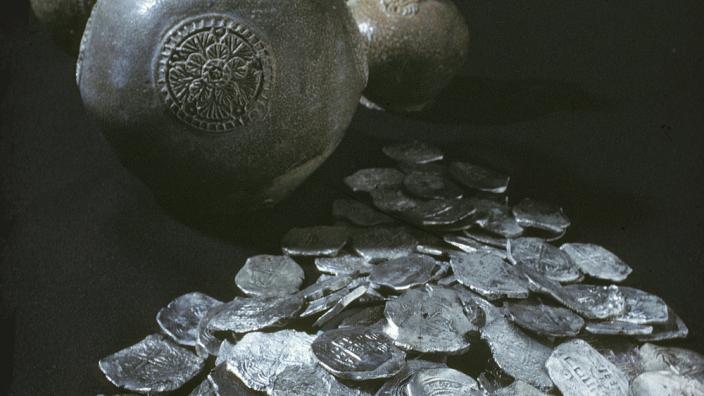
A different body of Dutch coins comes from Western Australia, where several VOC ships were wrecked along the coast between 1629 and 1727 while following the Brouwer Route to Batavia. These vessels carried significant quantities of silver coinage intended for Asian trade, and their loss scattered Dutch coins across reefs, shorelines and seabeds. The Batavia (1629) yielded thousands of coins recovered in modern excavations, the Vergulde Draeck (1656) carried eight chests of silver worth more than seventy thousand guilders, the Zuytdorp (1712) transported newly minted 1711 coins, and the Zeewijk (1727) had more than three hundred thousand guilders in its treasure chests. These coins have been central to maritime archaeology in Western Australia.
Dutch coins from the Second World War
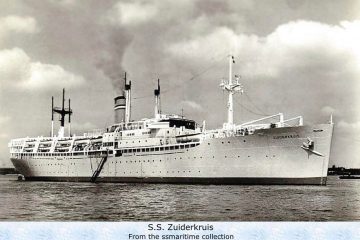
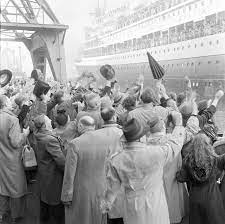
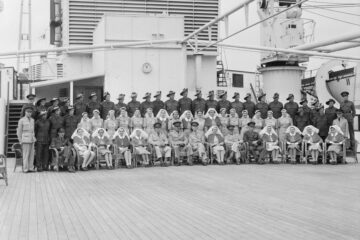
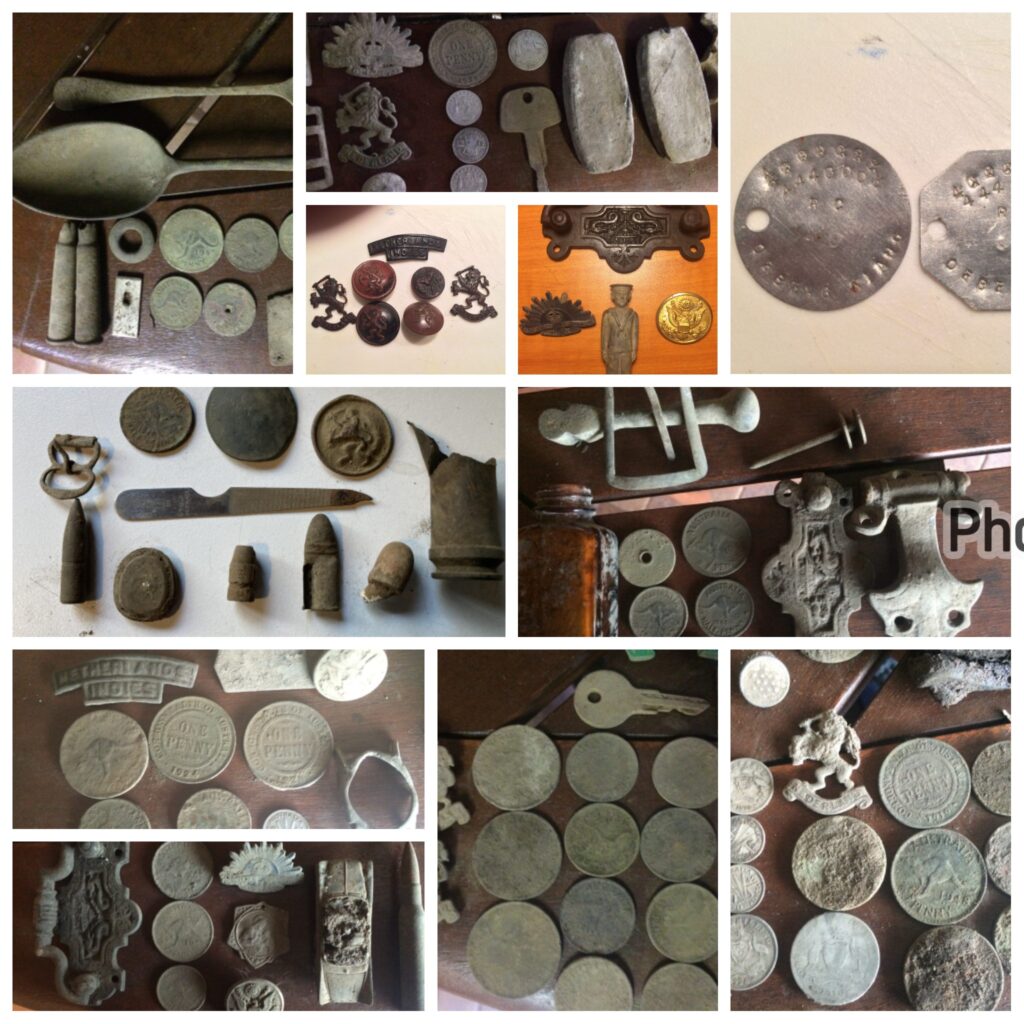
A later and very different layer of Dutch coin finds stems from the large wartime Dutch presence in Australia. After the Japanese invasion of the Netherlands East Indies in 1942, some six thousand Dutch military personnel, sailors, airmen were evacuated to Australia. They arrived with Netherlands Indies guilders and cents and occasionally Netherlands-minted coins kept as personal effects. Because Australian authorities required NEI units to use Australian currency, these coins rarely entered circulation but were carried in pockets, packs and kit bags across Dutch camps and bases. At Camp Columbia in Brisbane, the headquarters of the NEI government-in-exile from 1944 to 1947, Dutch and NEI coins have been recovered over the years by private collectors and metal detectorists. These finds are well known locally and often displayed in community exhibitions. Similar informal discoveries have been reported at Dutch wartime sites in the Northern Territory, including the Batchelor and Fenton airfield areas, and at the Dutch camp in Casino, New South Wales. Although these items are held mostly in private collections rather than state museums, they form a recognised body of material evidence for the Dutch wartime presence in Australia.
Dutch coins in colonial New South Wales
Dutch coins also circulated in early British Sydney. In 1800 Governor Philip Gidley King issued a proclamation assigning official values to foreign coins used in the colony. The Dutch gold ducat and several Dutch silver denominations were included, reflecting the international mix of currency in New South Wales during its formative years. This formal recognition of Dutch coinage underscores how deeply early colonial Australia relied on global maritime exchange.
What Dutch coins reveal
Across these different historical layers several patterns emerge. First, coins should not be read as straightforward evidence of who physically arrived in Australia. A VOC duit found in Arnhem Land is far more likely to reflect Makassan and Yolngu mobility than a Dutch landing. Second, Aboriginal agency is central to the northern coin record, as Yolngu travellers actively participated in the trade networks that carried coins across the archipelago. Third, Makassar’s role as a VOC port created a conduit through which Dutch currency entered Asian and Indigenous spheres long before European settlement in Australia. Fourth, shipwreck coins represent an entirely separate phenomenon tied to maritime disaster rather than intentional contact. Fifth, wartime Dutch coins reflect the presence of the Netherlands East Indies government-in-exile and the thousands of Dutch personnel stationed in Australia during the Second World War. Finally, coins endure far longer than their original contexts, passing through many hands before entering the ground and later re-emerging as archaeological or local heritage finds.
A small object with an expansive history
Taken together, Dutch coins found in Australia illuminate centuries of connection between Australia, Southeast Asia, the Indian Ocean world and Europe. Whether carried by Makassan trepangers, lost in catastrophic shipwrecks, brought by Yolngu sailors returning from Makassar, tucked into the pockets of Dutch soldiers at Camp Columbia or circulating as legal tender in early Sydney, these coins trace a mosaic of encounters and exchanges. Individually modest, collectively they reveal how deeply Australia’s past has been shaped by global movement, trade and human mobility.
I was triggered to research this after I read this paper in the series Global Encounters.
Paul Budde (December 2025)