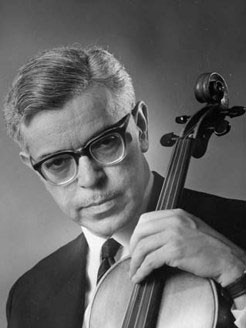
Robert Pikler’s career connects the musical life of the Netherlands East Indies with Australia’s post-war concert halls. A Hungarian musician who worked in the Dutch colony and survived Japanese internment, he subsequently became an influential performer and teacher in Australia.
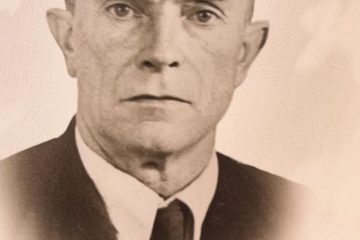
Born in Fureszfalu, Hungary, on 24 January 1909, Pikler studied violin and viola at Budapest’s Franz Liszt Academy of Music. His early career took him through Europe and into Asia, including an extended period in India.
His brothers Miklos and George were also musicians. According to the Australian Jewish Historical Society’s biography of George, the three formed the Pikler Brothers’ Orchestra and travelled to Surabaya in 1936 on a one-year contract. They subsequently worked in Penang before returning to the Indies.
By 1942, Robert was directing the Netherlands East Indies Radio Orchestra in Batavia, now Jakarta. This employment provides a direct connection with the cultural life of the Dutch-administered archipelago.
Japanese occupation interrupted their careers. The AJHS account published by J-Wire reports that the three brothers spent approximately three years in internment on Java. The Australian Dictionary of Biography confirms Robert’s internment and records that food received in exchange for musical performances helped him survive.
The sources consulted do not establish the specific reason for Robert’s internment or his citizenship at the time. His experience should therefore be recorded without assuming that he had become a British subject.
Robert arrived in Sydney in 1946 with few possessions. Within months, he joined Richard Goldner in forming the Musica Viva Chamber Players, serving as violinist and leader. In 1952 he became principal violist of the Sydney Symphony Orchestra.
His later work included the Sydney String Quartet, conducting and teaching at the New South Wales State Conservatorium of Music. He became an Australian citizen in 1958 and received an OBE in 1974 for services to music.
Pikler’s place in Dutch–Australian heritage rests on the route his life took through the Netherlands East Indies. His story offers a way to explore how musicians working in the colony carried their skills and experience into Australian cultural life after the war.
Acknowledgement: Michael Kramer brought this subject to the DACC’s attention.
Musical connections between the Netherlands East Indies and Australia
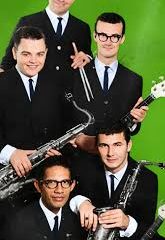
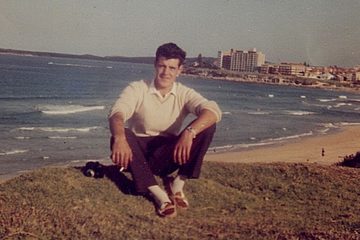
Pikler’s career forms part of a wider musical connection between the Netherlands East Indies and Australia. Other stories include Lou Casch, the Ambonese guitarist who played with Johnny O’Keefe and the Dee Jays, and Marty Rhone, born Karel van Rhoon in Surabaya. Their different journeys connect the archipelago with Australian classical music, rock and roll, and popular entertainment.
Sources:
- Diane Collins, “Pikler, Robert (1909–1984)”, Australian Dictionary of Biography: https://adb.anu.edu.au/biography/pikler-robert-15463
- Australian Jewish Historical Society, “George Pikler”: https://ajhs.com.au/2025/06/26/george-pikler/
- “Robert Pikler – violinist, violist and conductor”, From Australia’s Jewish Past, J-Wire, 9 July 2024: https://www.jwire.com.au/from-australias-jewish-past-11/