Many thousands of post-war migrants passed through Scheyville Migrant Accommodation Centre, including large numbers of Dutch arrivals beginning new lives in Australia. For many families, Scheyville represented the first Australian chapter of their migration story — a place of uncertainty, hope, adaptation and new beginnings.
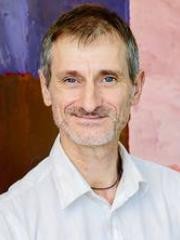
While much attention naturally focuses on the migrants themselves, preserving these stories has also depended on people committed to protecting the places where those memories were formed. One such person is Jonathan Sanders, whose work with NSW National Parks helped reconnect former residents with Scheyville and preserve an important chapter of Australia’s migration history.
Jonathan Sanders served as Area Manager for Cumberland North within the NSW National Parks and Wildlife Service, with responsibility for Scheyville National Park. Over time he became one of the strongest advocates for preserving and interpreting the complex history of the site. Scheyville itself has had several lives: originally developed as a wartime training area, later becoming a major migrant accommodation centre, then a government training school, and ultimately a national park and heritage site.
For Dutch migrants, however, Scheyville has a particularly important place in collective memory.
Beginning in the post-war migration years, many Dutch families passed through Scheyville after arriving in Australia. They arrived carrying hopes for a better future but often faced uncertainty, unfamiliar surroundings and the emotional challenges of starting life again in a distant country.
Jonathan recognised that preserving Scheyville meant preserving much more than buildings.
It meant preserving memory.
One of the most important initiatives under his stewardship was helping facilitate reunions that brought former residents back to Scheyville. These gatherings became opportunities for people to revisit places they had not seen for decades and reconnect with deeply personal parts of their migration experience.
A major milestone occurred with the “Back to Scheyville” reunion in 2005, recognised in heritage records as the first large-scale return of former residents. The event demonstrated how strongly people still felt connected to the place. Former migrants travelled long distances to revisit the site and share memories.
One story recorded through NSW migration heritage documentation illustrates Jonathan’s role particularly well.
Former Dutch migrant Johan Luchters contacted Jonathan from the Netherlands before travelling to Australia. Jonathan invited him personally to attend the reunion and helped facilitate his visit.
Johan later reflected:
“Jonathan Sanders and the staff at Scheyville National Park were very kind and helpful.”
For former migrants, these reunions often became emotional experiences. Places that had once represented uncertainty and transition gradually transformed into important markers of identity and family history.
Jonathan also became one of the public voices explaining Scheyville’s significance. In 2011 he joined SBS Dutch Radio to discuss the Scheyville Migrants Reunion and the broader history of the site (see below). His role extended beyond administration: he became an interpreter and spokesperson helping new generations understand why the place mattered.
Importantly, Jonathan understood that migration history is not simply about official records or government policies. It is also about lived experiences.
Photographs, stories, memories and personal recollections all became part of preserving Scheyville’s heritage.
For Dutch Australians, this work has particular significance. Scheyville forms part of a much broader Dutch migration story that reshaped communities across Australia after World War II.
The preservation of these stories requires more than archives and documents. It also requires individuals willing to safeguard the places where history occurred.
Jonathan Sanders became one of those people.
His contribution reminds us that preserving migration heritage is not only about remembering the past. It is also about creating opportunities for future generations to understand where their stories began.
Sources
Scheyville Migration Camp – then and now
NSW Migration Heritage Centre – Memories of Scheyville
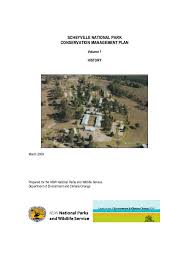
Scheyville National Park conservation management plan
SBS Video – Scheyville Migrants Reunion 15-5-2011 – interview with Jonathan Sanders
Jonathan Sanders visited the Dutch SBS Radio program to talk about the background to the upcoming reunion on 15 May 2011.