
Dutch Culture, Sport, and Religion in Australia
21st Century Dutch Interests
Republished with permission. Section Five of the book: A Touch of Dutch. For the full pdf of the book click here. Introduction chapters of the book: Touch of Dutch
Republished with permission. Section Five of the book: A Touch of Dutch. For the full pdf of the book click here. Introduction chapters of the book: Touch of Dutch
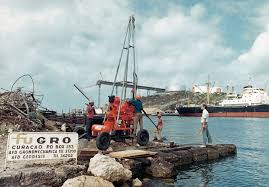
Republished with permission. Chapter 31 of the book: A Touch of Dutch. For the full pdf of the book click here. Introduction chapters of the book: Touch of Dutch
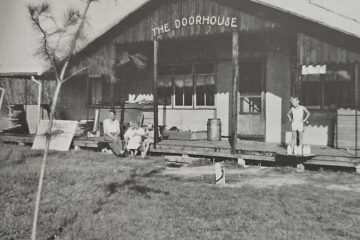
Republished with permission. Chapter 30 of the book: A Touch of Dutch. For the full pdf of the book click here. Introduction chapters of the book: Touch of Dutch
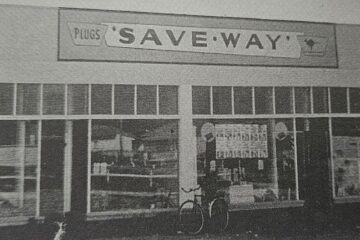
Republished with permission. Chapter 29 of the book: A Touch of Dutch. For the full pdf of the book click here. Introduction chapters of the book: Touch of Dutch
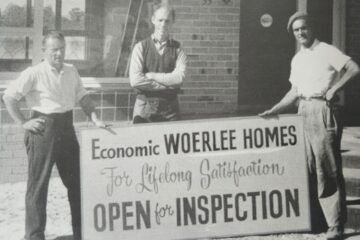
Republished with permission. Chapter 28 of the book: A Touch of Dutch. For the full pdf of the book click here. Introduction chapters of the book: Touch of Dutch
Republished with permission. Chapter 27 of the book: A Touch of Dutch. For the full pdf of the book click here. Introduction chapters of the book: Touch of Dutch

Republished with permission. Section Four of the book: A Touch of Dutch. For the full pdf of the book click here. Introduction chapters of the book: Touch of Dutch
Republished with permission. Chapter 25 of the book: A Touch of Dutch. For the full pdf of the book click here. Introduction chapters of the book: Touch of Dutch
Republished with permission. Chapter 24 of the book: A Touch of Dutch. For the full pdf of the book click here. Introduction chapters of the book: Touch of Dutch

As of 16 November 2024, all known Dutch organisations in Brisbane—loosely connected under the Dutchlink Brisbane banner—came together for the first time to strengthen connections and get to know each other better. The event was centered around the making of bitterballen. The Dutch Chamber of Commerce Queensland (DCCQ) and the Read more