The Lake Boga Flying Boat Museum in northern Victoria preserves the history of one of Australia’s most important inland flying-boat bases during the Second World War. Established at the former RAAF Lake Boga base near Swan Hill, the museum interprets the secret repair and maintenance work carried out there on Allied flying boats operating across northern Australia and the Netherlands East Indies.
While the museum’s central focus is the restoration of a Consolidated Catalina flying boat, its collection also includes material connected with other aircraft types used in maritime operations during the Pacific War. Of particular relevance to Dutch-Australian heritage is the preserved nose section of a Dutch Dornier Do-24K flying boat.
The Dutch Dornier Do-24K
The Dornier Do-24 was one of the most important flying boats used by the naval air arm of the Netherlands East Indies. Designed for long-range maritime patrol and rescue operations, the aircraft played a crucial role during the final months of Dutch resistance in early 1942, when flying boats were used to evacuate personnel and maintain reconnaissance coverage across vast ocean areas, with the disastrous Japanese raid on Broome.
Following the Japanese advance, surviving Dutch aircraft and crews regrouped in Australia, where they became integrated into Allied operations. Flying-boat maintenance, repair and overhaul facilities such as those at Lake Boga were essential in sustaining this effort.
The preserved nose section
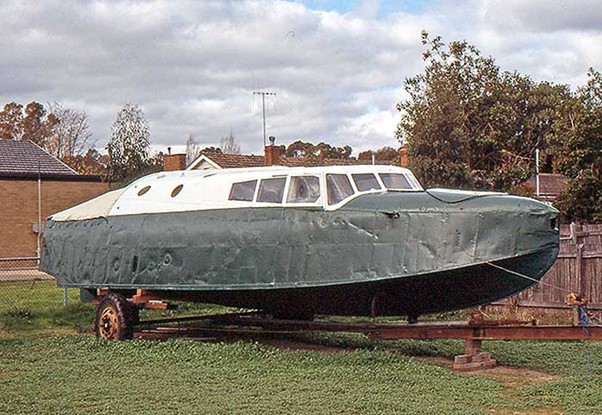
The nose section of a Dornier Do-24K displayed at the Lake Boga museum represents one of the few surviving physical relics of Dutch flying-boat operations in Australia. Although only a fragment of the original aircraft, it provides valuable insight into the structure, materials and operational configuration of the type.
Artefacts such as this are particularly significant because many flying boats were destroyed during combat operations, scuttled to prevent capture or lost in remote maritime environments. As a result, relatively few structural remains survived the war.
The preserved nose section allows visitors to examine cockpit layout, hull construction and the robust design features that enabled the aircraft to operate in challenging maritime conditions. It also serves as a reminder of the multinational character of flying-boat operations in Australian waters during the Pacific War.
Lake Boga as a flying-boat repair centre
RAAF Lake Boga was developed as a secure inland servicing base for flying boats operating from northern Australia. Aircraft damaged in combat or requiring major maintenance could be ferried south for repair away from the threat of Japanese attack.
This logistical system supported Allied maritime reconnaissance and evacuation operations, including those involving Dutch aircrew and aircraft. The presence of the Dornier nose section in the museum helps illustrate this broader network of cooperation.
See also: Dutch Catalina boat at Aviation Heritage Museum Perth