By Paul Budde (2021)
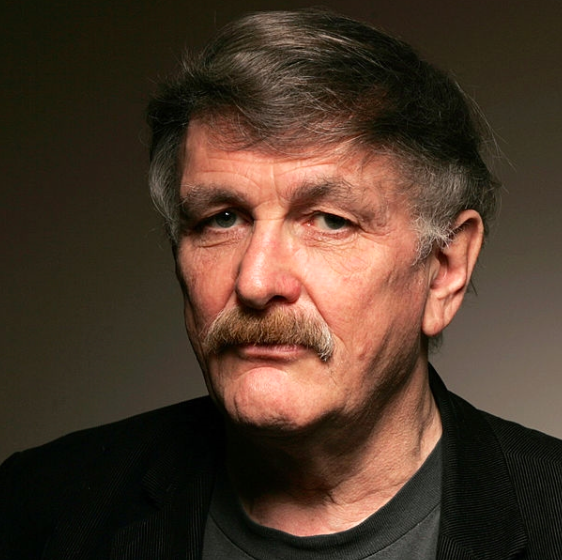
Paul Cox was born on 16 April 1940 in Venlo, Limburg, The Netherlands. His father Wim Cox was the publisher of the Catholic newspaper Nieuwe Venlosche Courant and was commissioned in 1938 by the chairman of the ‘RK Bond voor Groote Families’ (Catholic Association for Large Families) to make the film Levensgang (‘The Journey of Life’.) The DACC has a documentary from 2001 on this movie (See: Deel 4 – Ode aan het grote gezin. Paul Cox provides some of the commentary).
However, during World War II Paul’s father Wim lost his newspaper business and there was no demand for movie production. He reverted to photography to support his family; the family suffered during the war. He was also accused of collaborating with the Germans. Wim became very bitter and according to Paul that situation only got worse during the period after the war. In 1965 Paul decided to ‘escape’ the situation. In 1963 he had been to Australia as a university student, but this time decided to officially migrate. He settled in Melbourne.
Contribution to Australian cinema
Over the next 50 years Paul Cox had a major impact on Australian indie cinema with films like “Lonely Hearts” (1982). This film explored the life of a middle-aged man searching for love through a dating agency; it won the AFI award for best film and was nominated in four other categories. ‘Man of Flowers’, which was cowritten by Bob Ellis, was screened in the Un Certain Regard section at the 1984 Cannes film festival.
Cox’s film ‘My First Wife’, also cowritten with Ellis, was a portrait of the dissolution of a marriage and won John Hargreaves the best actor in a lead role AFI award in 1984, as well as best director for Cox.
In 1999 Cox collaborated with Australian actor David Wenham on ‘Molokai: The Story of Father Damien’. This was a biographical film about Father Damien, a nineteenth-century Belgian priest who worked at the Kalaupapa leprosy settlement on the Hawaiian island of Molokai.
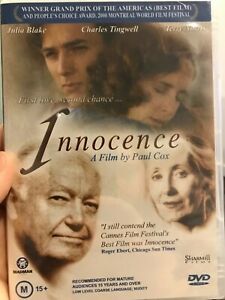
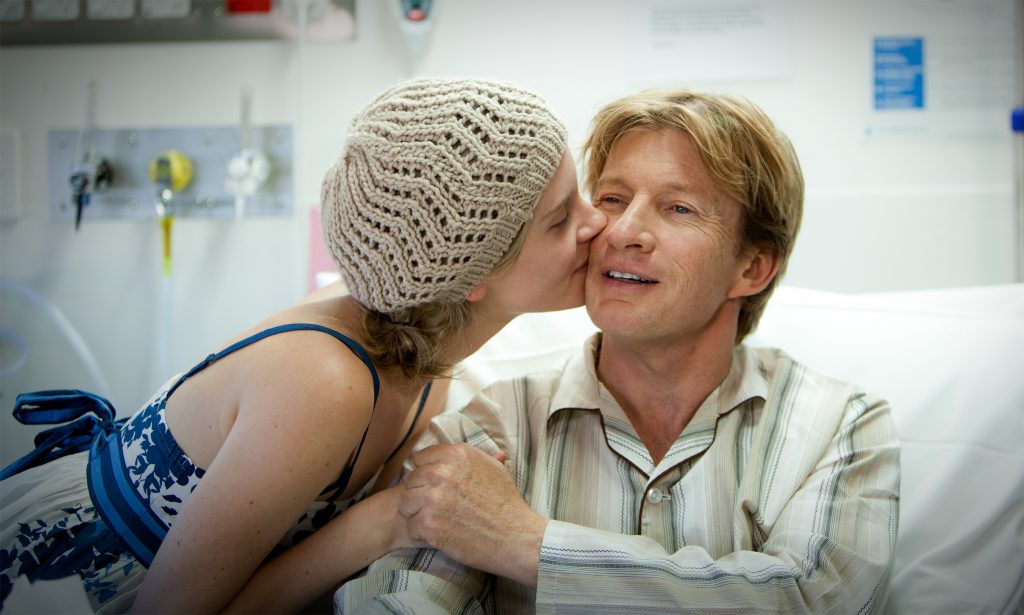
In 2000 Cox’s film ‘Innocence’, starring Bud Tingwell and Julia Blake, was critically acclaimed for its portrayal of two separated lovers who meet by chance again decades later and rekindle their romance. It won no fewer than 12 awards, mostly overseas, including the people’s choice award for best film at the Montreal and Toronto film festivals. In 2014 Cox released a semi-autobiographical film called “Force of Destiny.” He wrote and directed the film himself, which starred David Wenham as a man awaiting a liver transplant.
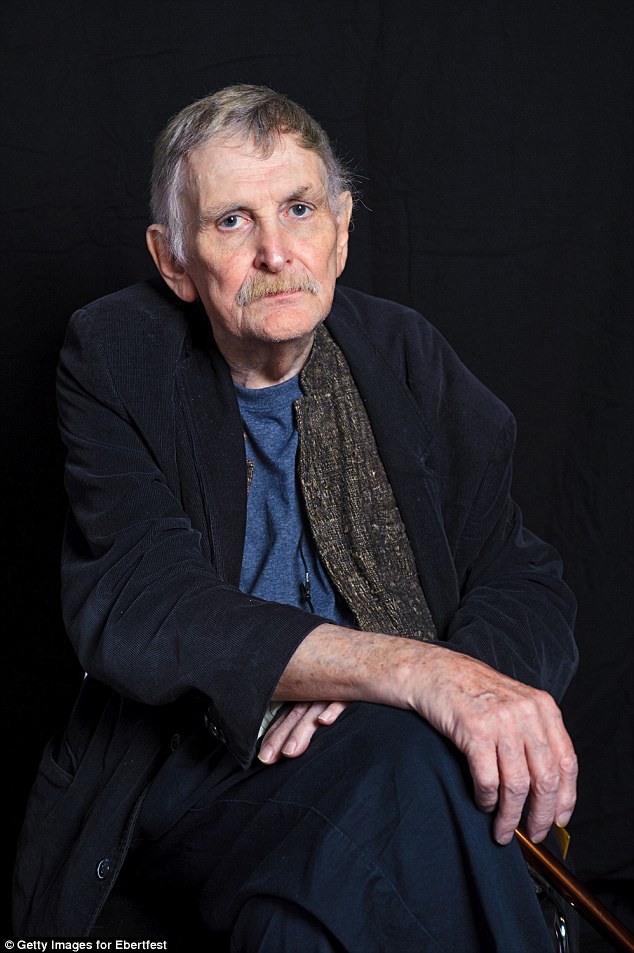
Paul Cox passed away in Melbourne in June 2016. A cause of death was not revealed, but Cox had struggled with health issues in recent years. He had long battled cancer and underwent a liver transplant in 2009.
He also received the honourable title of father of the Independent Film Industry of Australia.
Filmography
Cox’s oeuvre includes:
1968 · Skindeep
1972 · The Journey
1975 · We Are All Alone My Dear
1975 · The Island
1976 · Illuminations
1977 · Inside Looking Out
1979 · Kostas
1980 · The Kingdom of Nek Chand
1981 · Lonely Hearts
1983 · Man of Flowers
1984 · My First Wife
1986 · Cactus
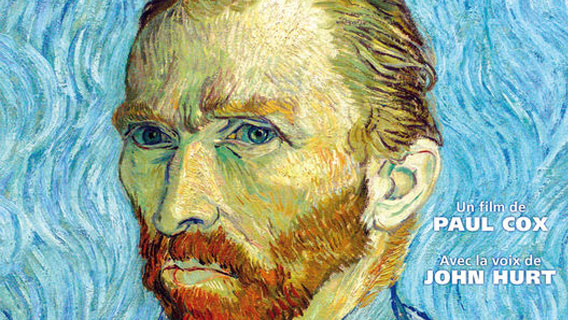
1987 · Vincent
1989 · Island
1990 · Golden Braid
1991 · A Woman’s Tale
1992 · The Nun and the Bandit
1993 · Touch Me
1994 · Exile (1994)
1996 · Lust and Revenge
1997 · The Hidden Dimension
1999 · Molokai: The Story of Father Damien
2000 · Innocence
2001 · The Diaries of Vaslav Nijinsky
2004 · Human Touch
2005 · The Remarkable Mr. Kaye
2008 · Salvation
2014 · Force of Destiny