The Aviation Heritage Museum at Bull Creek in Perth preserves an extensive collection of military and civil aircraft connected with Australian and Western Australian aviation history.
Among its Second World War exhibits is a Consolidated PBY-5A Catalina. Although this particular aircraft did not serve with the Netherlands Naval Aviation Service, it represents a type that played an important part in the Dutch evacuation from the Netherlands East Indies and in subsequent Dutch operations from Australia.
The museum’s Catalina
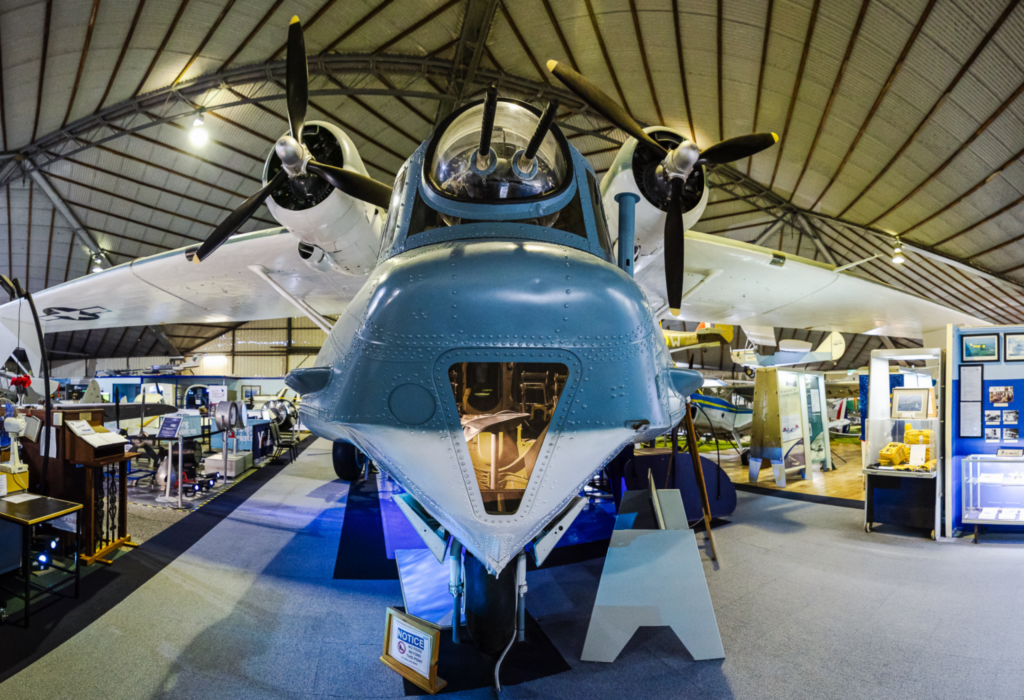
The aircraft displayed at Bull Creek is a Consolidated PBY-5A Catalina, formerly United States Navy Bureau Number 46624. After its military service, it was registered in the United States as N9502C and eventually became derelict at Clearwater–St Petersburg Airport in Florida.
It was later transported to Western Australia, restored and placed on display at the Aviation Heritage Museum. It is presented in United States Navy markings.
The museum notes that this particular Catalina did not serve in Australia. It should therefore not be described as a former Dutch or Australian military aircraft.
Catalinas in Netherlands naval service
Before the Japanese invasion, the Netherlands Naval Aviation Service—the Marine Luchtvaartdienst—operated PBY-5 Catalinas throughout the Netherlands East Indies. The aircraft carried Dutch identification numbers beginning with the letter Y.
Their long range made them particularly suitable for maritime reconnaissance across the vast Indonesian archipelago. During the Japanese advance, Dutch Catalinas conducted reconnaissance, evacuation and transport flights under increasingly dangerous conditions.
Several escaped to Australia, while others were destroyed during the campaign. Dutch Catalinas were among the flying boats crowded into Roebuck Bay when Japanese aircraft attacked Broome on 3 March 1942. Aircraft were destroyed and Dutch evacuees, aircrew and other Allied personnel were killed.
Surviving Dutch Catalina crews continued their service from Australia and elsewhere. The aircraft type therefore occupies an important place in the shared Dutch–Australian history of the Pacific War.
Understanding the aircraft
The Catalina at Bull Creek allows visitors to examine the characteristic construction of this important flying boat. Its high wing, boat-shaped hull, retractable wingtip floats and amphibious undercarriage illustrate why the type could operate across remote areas with limited conventional airfield facilities.
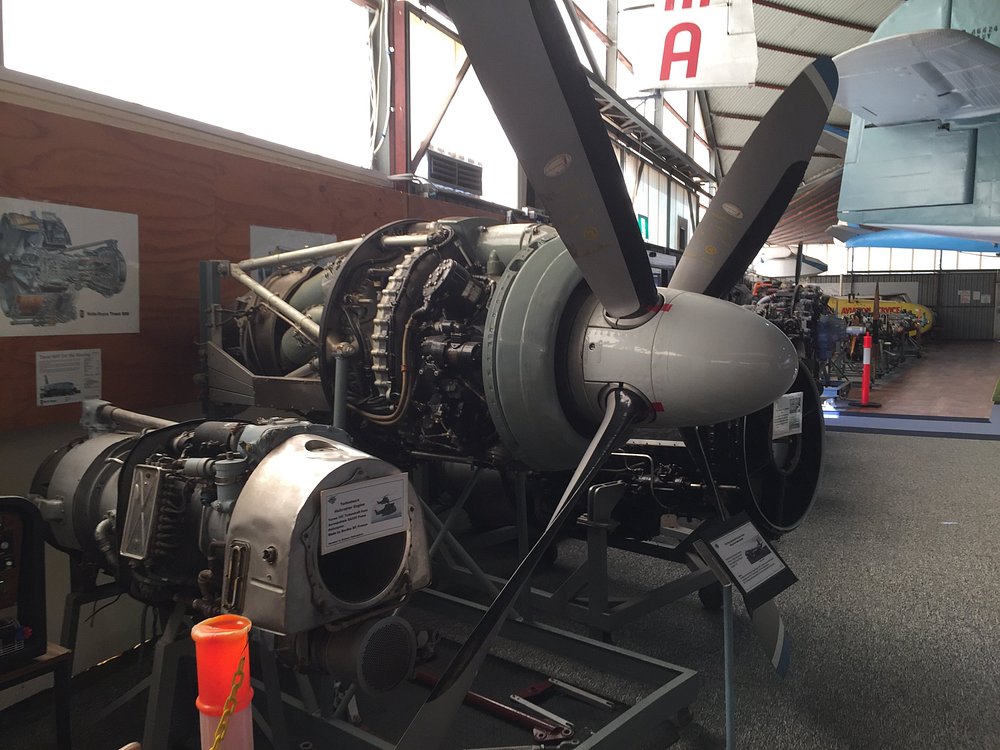
The museum’s aircraft and engine displays also help visitors understand the practical demands faced by Dutch and Allied flying-boat crews: long flights over open sea, tropical weather, limited navigation aids and the constant challenge of maintaining aircraft far from established technical bases.
Possible Broome relics
Secondary sources report that aviation relics recovered from flying-boat wrecks at Broome were donated to the Aviation Heritage Museum, including an instrument and oxygen bottle associated with a Catalina wreck.
However, these objects and their precise aircraft associations should be confirmed directly with the museum before they are described as Dutch artefacts. The Dutch, British and American Catalinas destroyed at Broome can be difficult to distinguish without an established archaeological or museum provenance.
Until that confirmation is obtained, the article should not claim that the museum holds an identified collection of Dutch wreck material.
Significance for Dutch–Australian history
Although the museum’s complete Catalina is not a Dutch aircraft, it provides a valuable physical reference for understanding Dutch naval aviation during the Pacific War.
Together with the flying-boat wreck sites at Broome and the Dutch aviation objects preserved in other Australian collections, it helps illustrate:
- the maritime reconnaissance role of the Netherlands Naval Aviation Service;
- the evacuation of military personnel and civilians from the Netherlands East Indies;
- the destruction of Dutch flying boats at Broome;
- Dutch aviation operations from Australian bases; and
- the close cooperation between Dutch and Australian air personnel.
The exhibit should therefore be understood as an aircraft of the same general family as the Dutch Catalinas—not as a surviving Dutch aircraft.
Related DACC articles
- Research Portal—Dutch and Netherlands East Indies Air Forces in Australia during World War II
- Royal Netherlands Navy flying-boat operations in Australia
- The Drama of Broome, 3 March 1942
- Broome Historical Museum and the Dutch wartime presence
- The Dutch Dorniers in Australia: flying boats in exile during WWII