In June 2026, representatives of the Dutch Australian Cultural Centre (DACC) and the Camp Columbia Heritage Association (CCHA) visited the Netherlands as guests of the Rijksdienst voor het Cultureel Erfgoed (RCE – Cultural Heritage Agency of the Netherlands). While Camp Columbia formed the central focus of the visit, the discussions extended well beyond a single project and opened exciting new opportunities for international cooperation in preserving and sharing Dutch–Australian heritage.
The delegation, consisting of DACC Chair Paul Budde and University of Queensland historian Associate Professor Geoff Ginn, met with leading Dutch organisations responsible for military history, archives, museums and cultural heritage. Throughout the week there was strong recognition that Dutch–Australian history is a shared heritage deserving greater international collaboration.
Digitising shared history
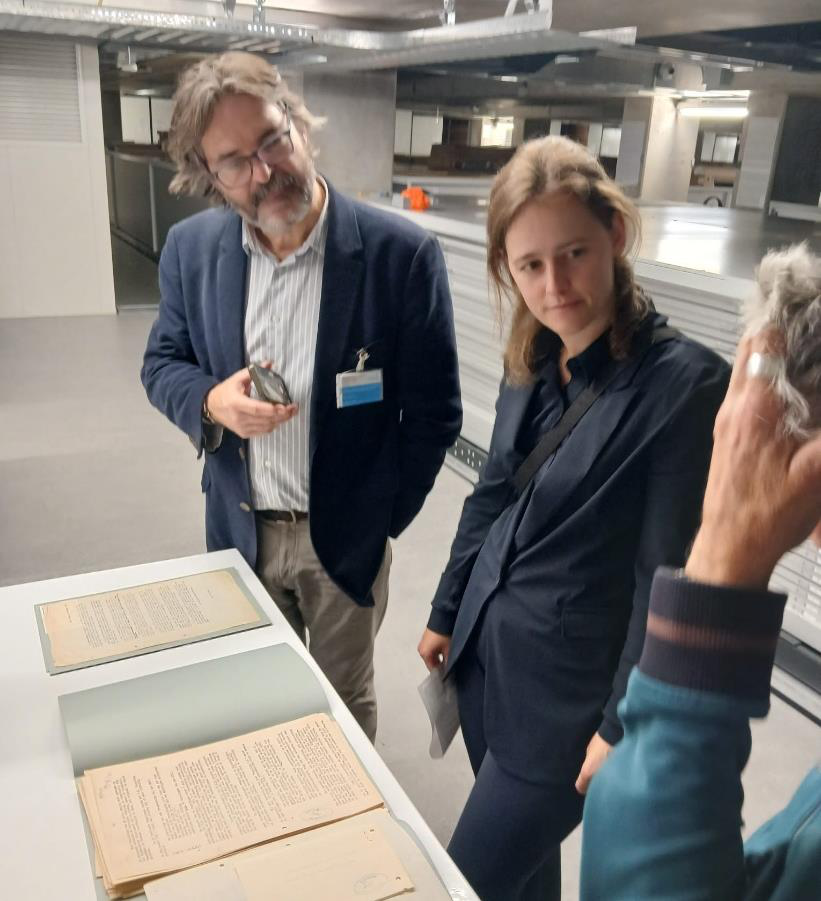
One of the most significant discussions took place at the National Archives of the Netherlands in The Hague.
Alongside discussions relating to Camp Columbia, Paul Budde met separately with National Archives staff to explore collaboration on the DACC’s national digitisation program. Particular attention was given to the future use of the approximately 50,000 digitised Dutch migration record cards held by the Dutch National Archives and how these could complement the DACC’s growing online migration database.
The visit also included discussions with representatives of the Huygens Institute, exploring opportunities for cooperation in large-scale digitisation projects and digital access to historical collections. Both organisations recognised the value of improving access to historical records for researchers in both Australia and the Netherlands.
Building international research networks
The Netherlands Institute of Military History (NIMH) expressed strong interest in working with Australian researchers on Dutch–Australian wartime history.
Discussions ranged from exchanging archival material to possible student exchanges with the University of Queensland through European education programs such as Erasmus and Horizon Europe. Dutch historians were also keen to obtain copies of Australian-held photographs and documents relating to the Dutch presence in Australia during the Second World War.
For the DACC this represents an important opportunity. Many original Dutch records remain unknown or difficult to access from Australia, while equally many Dutch-related collections in Australia are little known in the Netherlands.
Museums working together
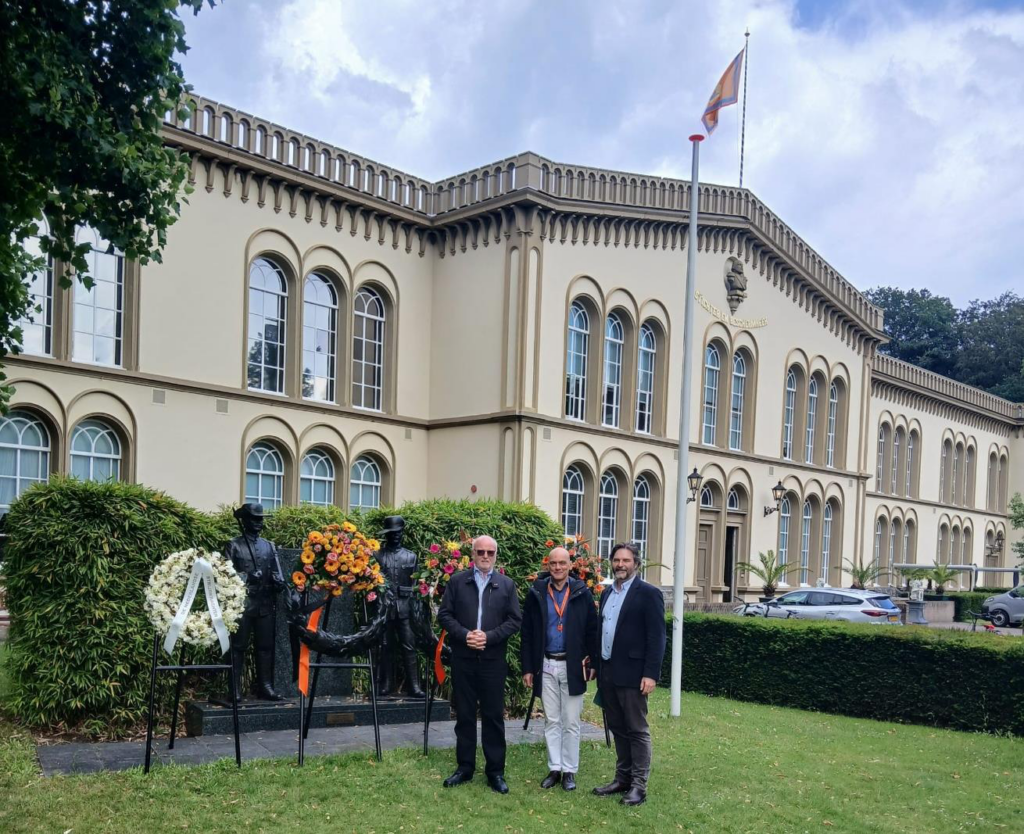
The visit to Museum Bronbeek in Arnhem demonstrated the enormous potential for future museum cooperation.
Bronbeek, the Netherlands’ national museum for the history of the Royal Netherlands East Indies Army (KNIL), holds numerous Australian-related artefacts, including Australian-made Dutch pilot wings, an Australian flag presented to the KNIL during the war in Brisbane, Australian military equipment and extensive archival collections.
Museum staff indicated their willingness to cooperate on future exhibitions in Australia and to explore loans of suitable objects. Such collaboration would provide valuable opportunities to tell shared Dutch–Australian stories using original artefacts from both countries.
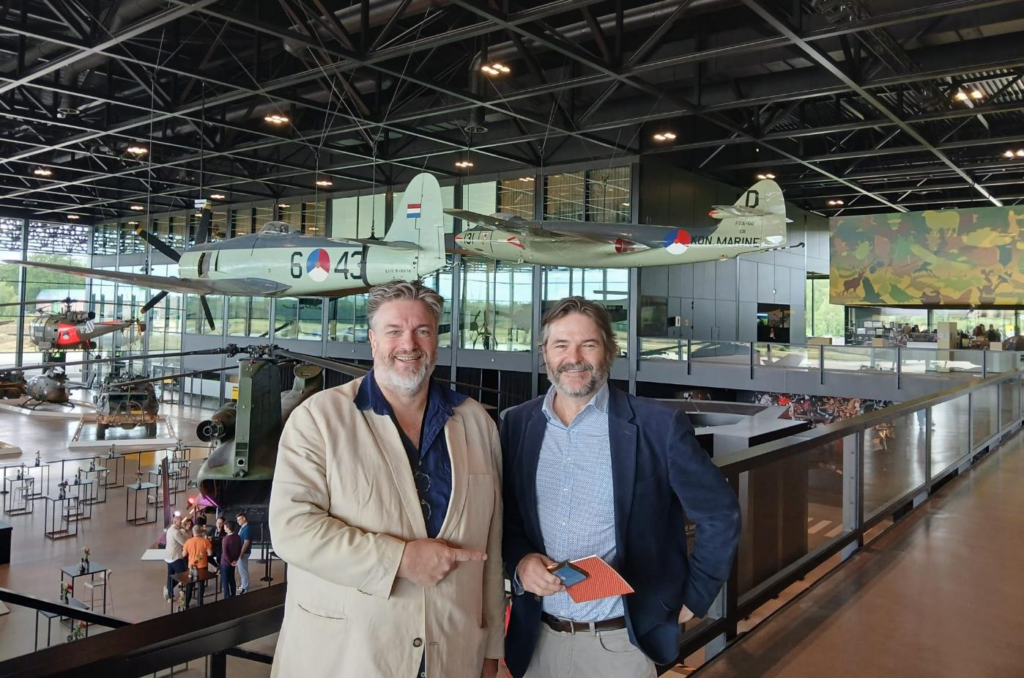
Similarly, the National Military Museum expressed interest in future collaborative projects, object exchanges and research cooperation.
A shared approach to heritage
Perhaps the most valuable lesson from the visit was not about collections but about heritage itself.
Across every organisation visited, heritage was seen as much more than preserving buildings or artefacts. Successful projects combine historical research with storytelling, education, digital technologies and community engagement.
This philosophy closely matches the direction the DACC has been developing over recent years. Through its online database, research projects and partnerships, the DACC seeks not simply to preserve history, but to make it accessible and relevant to new generations.
Expanding opportunities
The visit also reinforced the importance of partnerships.
Today the DACC works closely with the Camp Columbia Heritage Association, the University of Queensland, the National Trust of Australia (Queensland), Dutch museums, archives and research institutions. Together these organisations are creating new opportunities for research, education, exhibitions, archaeology and digital heritage.
These partnerships also strengthen the DACC’s long-term objective of creating one of the most comprehensive publicly accessible collections documenting the Dutch contribution to Australian history.
Looking ahead
The Netherlands visit confirmed that Dutch–Australian history is increasingly recognised as a shared international heritage.
For the DACC, this opens exciting possibilities. Collaboration on digitisation, archival research, museum exhibitions, student exchanges and public history projects will greatly enhance the preservation and accessibility of Dutch–Australian history.
As the DACC continues to expand its collections and research, these international partnerships will ensure that the stories of Dutch migration, wartime cooperation, maritime history, business, culture and community life remain available for future generations in both Australia and the Netherlands.
The visit demonstrated that preserving shared heritage is not simply about looking back. It is about building lasting international relationships that will allow these stories to continue to be discovered, researched and shared well into the future.
New articles based on research on material from the people and organisations we visited in the Netherlands
An Australian flag for the Netherlands East Indies forces: A symbol of wartime friendship
A flag stitched with shared sacrifice: Australian POW families and the N.E.I. Regiment in exile
When an Australian Beaufighter brought home part of a German warship
In addition, an important Dutch-language document relating to the NEFIS archive has been added to the collection.
Renate Stapelbroek independent researcher also working with the Huygens Institute contributed this article: Postwar migration from Vught: Australian stories and family connections
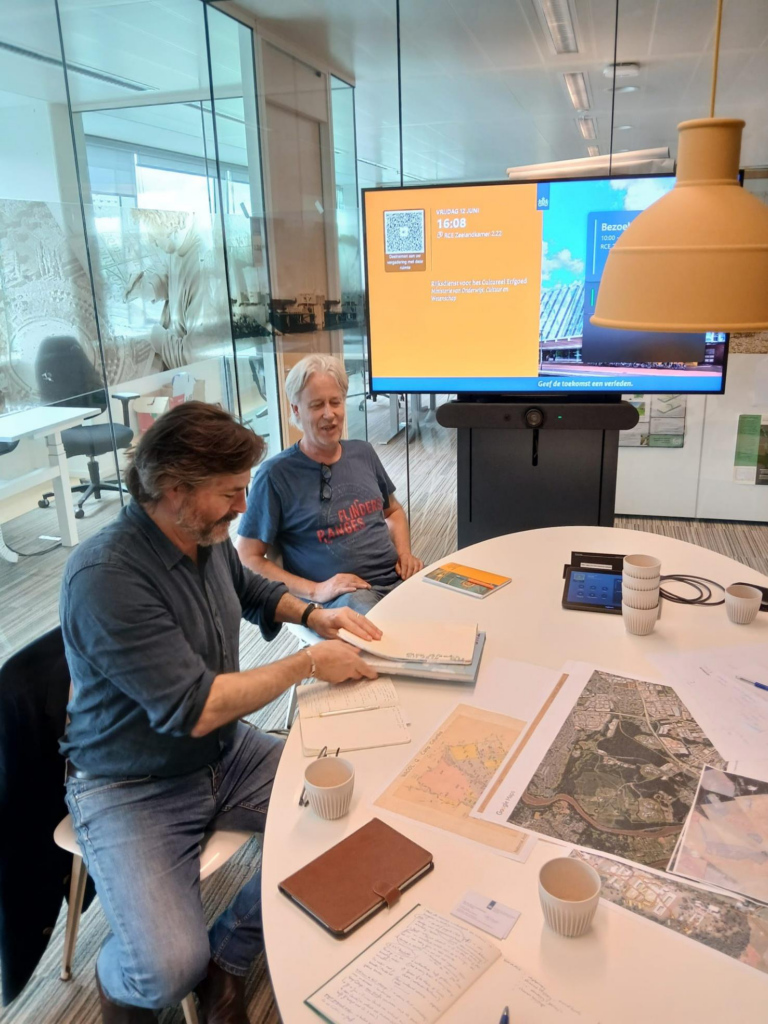
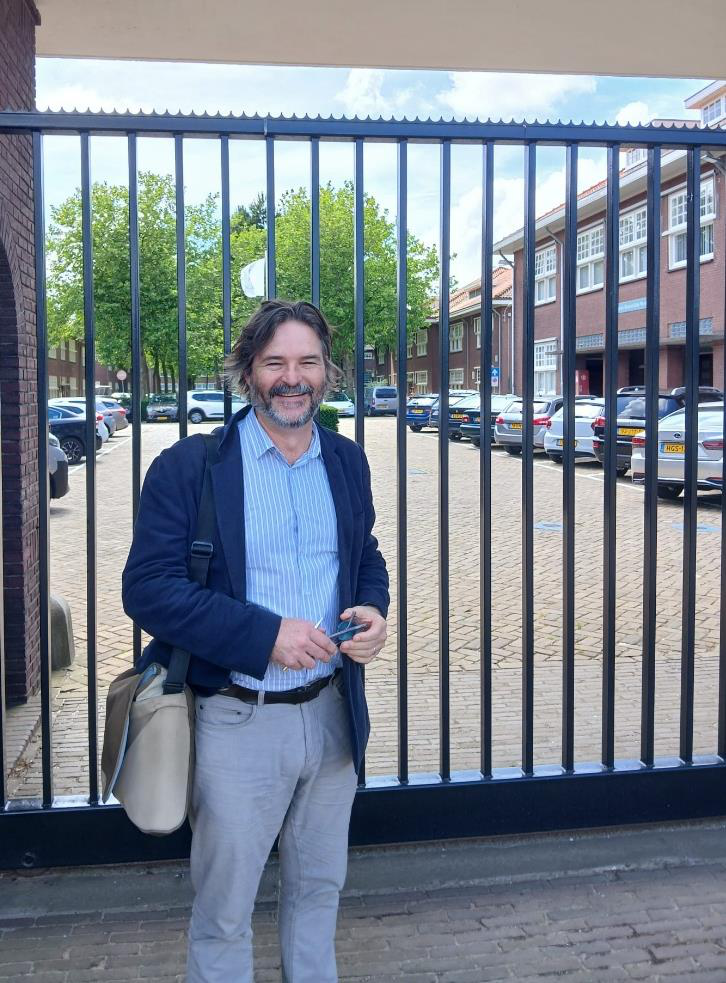
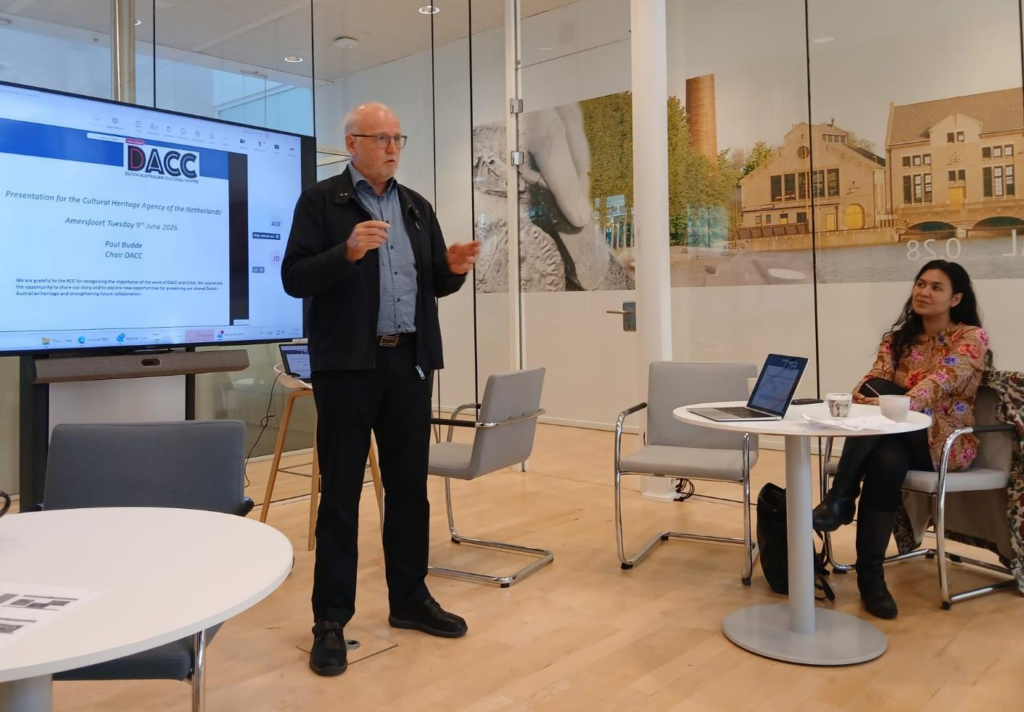
Presentations at RCE Amersfoort