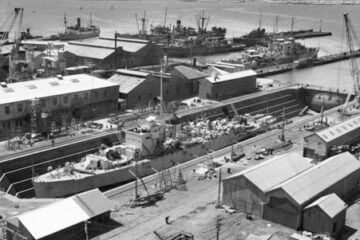
Situated on the Brisbane River at Kangaroo Point, Yungaba Immigration Depot was for more than a century the gateway through which thousands of migrants entered Queensland. While it welcomed people from many nations, Yungaba also occupies a special place in Dutch Australian history. For many Dutch migrants, it was their very first experience of Queensland before they moved on to migrant reception centres, employment and ultimately new lives across the state. In later decades, the Dutch community would return to Yungaba, transforming it from a place of arrival into a centre dedicated to preserving its own history.
This article forms part of the Dutch Australian Cultural Centre’s national series on Australia’s migrant reception centres. Together these articles tell the story of the places where Dutch migrants first began their Australian journey.
A purpose-built immigration depot
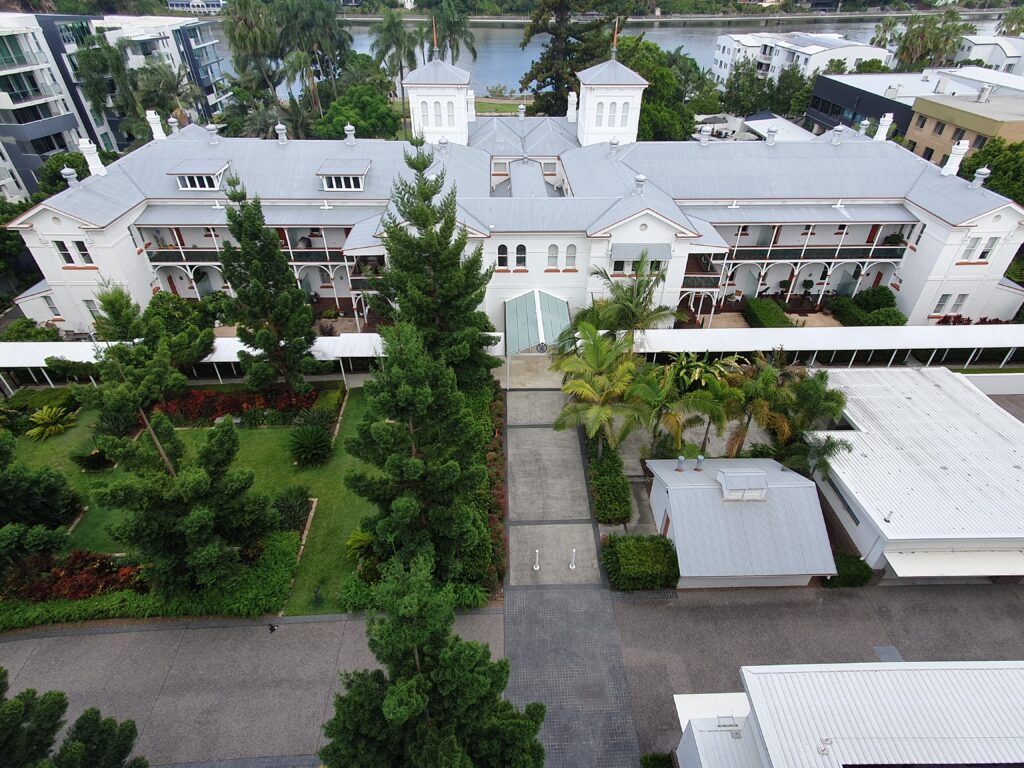
Yungaba was constructed in 1885 as Queensland’s principal immigration depot. Designed by Colonial Architect John James Clark and completed under Edward Henry Alder and Robert Henry Mills, the impressive two-storey brick building was intended to provide suitable accommodation for newly arrived migrants before they dispersed throughout the colony. Its spacious verandahs, separate accommodation for families and single migrants, and riverside location reflected the Queensland Government’s desire to provide more welcoming surroundings than the earlier immigration facilities in William Street.
Over the following decades the building served many different purposes. During the First World War it became a military hospital, while during the Second World War it again accommodated military patients and civilians evacuated from Hong Kong. Between these periods it continued its role as Queensland’s principal immigration depot, adapting to changing migration policies and fluctuating arrival numbers.
The first stop for many Dutch migrants
Following the Second World War Australia embarked on one of the largest assisted migration programmes in its history. Tens of thousands of Dutch migrants chose Queensland as their new home.
For many of these newcomers, Yungaba was their first destination after arriving in Brisbane. Here they completed immigration formalities, received accommodation and information, underwent medical and administrative procedures, and prepared for the next stage of their journey.
Although some migrants found employment directly from Brisbane, the rapid growth in post-war migration soon overwhelmed Yungaba’s capacity. The majority of new arrivals were therefore transferred to larger migrant reception centres established in former military camps around Brisbane. The best known of these was Camp Columbia at Wacol, which became Queensland’s largest migrant reception centre during the post-war migration programme.
For many Dutch families, therefore, the Queensland migration experience began at Yungaba before continuing to Camp Columbia and eventually to homes and workplaces across the state.
A personal journey
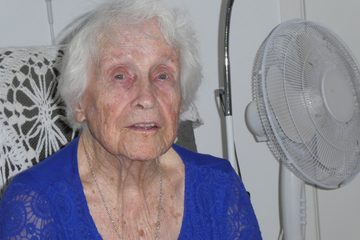
The experience of Dutch migrant Wubbo (Bo) Bijker illustrates Yungaba’s continuing role long after the peak migration years of the 1950s.
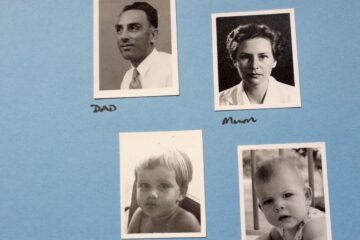
Arriving in Australia in 1980, Bo and his family travelled from Sydney to Brisbane where they lived at Yungaba for six months while establishing themselves in Queensland. During this period he secured employment at Wacol before later joining Lloyds Ships. His story demonstrates that Yungaba remained an important stepping stone for Dutch migrants well into the late twentieth century, helping newcomers establish themselves before moving into permanent housing and employment.
Like many Dutch migrants, Bo remembers Yungaba not simply as temporary accommodation, but as the place where his Queensland life truly began.
From reception centre to community heritage
One of the most remarkable aspects of Yungaba’s history is that the Dutch community eventually returned to the building in a completely different role.
Many years after serving as an immigration depot, the Dutch Australian Cultural Association (Queensland) established its Dutch Resource Centre at Yungaba. The centre housed historical collections, newsletters, books, photographs and archival material documenting the Dutch contribution to Queensland. It also became home to the Dutch Helpline, providing practical support for members of the Dutch community.
For many visitors this created a unique historical connection. People who had first arrived at Yungaba as young migrants in the 1950s and 1960s later returned to the same building to reconnect with their heritage, undertake family history research or participate in Dutch community activities.
Few migration buildings in Australia can claim such continuity—from welcoming migrants on arrival to later preserving the history of those very same migrants.
A place in Queensland’s Dutch story
Today Yungaba has been sensitively restored and converted into residential apartments, ensuring the survival of one of Queensland’s most significant immigration buildings. While its role as an immigration depot has ended, its place in Dutch Australian history remains secure.
For the Dutch Australian Cultural Centre, Yungaba represents far more than an historic building. It symbolises the beginning of thousands of migration journeys and demonstrates how the Dutch community evolved over time—from newly arrived migrants seeking a future in Australia to an established community committed to preserving its own heritage.
Together with Camp Columbia and Queensland’s other migrant reception centres, Yungaba forms an essential chapter in the story of Dutch migration to Australia.
Can you help us?
The Dutch Australian Cultural Centre is building a national resource documenting the places where Dutch migrants first arrived and began their new lives in Australia.
If you or your family stayed at Yungaba Immigration Depot, we would love to hear from you. We are particularly interested in photographs, documents, letters and personal memories that can help tell the Dutch story of Yungaba and preserve it for future generations. Contact: dutchaustraliancc@gmail.com