From migration camp to Dutch house
The story of Fred and Marie van Breemen
The history of Dutch migration to Brisbane after the Second World War was shaped not only by organised migration schemes and housing initiatives, but also by personal encounters, community networks and the determination of migrant families to build a new life. The story of Fred and Marie van Breemen reflects these wider experiences. Their lives link wartime service, redirected migration plans, rural settlement, entrepreneurship, community building and the remarkable continuity of one of the Dutch Houses in Coopers Plains.
From Breda to Brisbane
Fred van Breemen was born in Breda in 1938 into a Catholic family. His father had served as a military commander during the Second World War and was later deployed to Indonesia in 1946 as part of the Dutch military operations aimed at suppressing the Indonesian struggle for independence. He returned to the Netherlands in 1948.
Like many Dutch families facing uncertainty in the post-war years, the van Breemen family decided to emigrate. In 1954 they were selected for migration to Canada. Preparations were already underway when, only two weeks before departure, they were informed that their destination had been changed to Australia.
The family travelled by sea aboard the Johan van Oldenbarnevelt and arrived in Fremantle, where they were allocated to a group of migrants bound for Brisbane. They spent approximately eight months at the Wacol Migration Camp while planning their future.
Building a new life in Queensland
During their time at Wacol the van Breemen family purchased land at Rochedale, then a largely rural area near Mount Gravatt. With limited resources, their first dwelling was constructed from shipping crates. This improvised home provided basic shelter while they worked towards building a more permanent house nearby.
Fred’s father later found employment with the Dutch company involved in constructing the Dutch Houses in Coopers Plains. This connection placed the family directly within one of the most distinctive post-war Dutch initiatives in Brisbane. The Dutch Houses, built with prefabricated elements and Dutch construction methods, became a unique feature of the local landscape and an important foundation for the emerging Dutch community.
Fred began working as a motor mechanic and through his trade came into contact with Jan Wolters, who would later establish Motorama. Over the course of his working life Fred remained closely associated with the motor industry, working with the Wolters family as well as running his own business. His career reflects the broader contribution of Dutch migrants to Queensland’s technical trades and small-business sector.
Dutch community life and meeting Marie
Social life within the Dutch Catholic community played an important role in bringing people together. Through Father Norris, who was organising Dutch dances and social gatherings in Kangaroo Point, Fred became involved in community activities. Although initially reluctant to attend, he was encouraged by his mother to go.
Because he owned a car, Father Norris asked him on one occasion to drive two young girls home after a dance. These girls were Marie Bakker, then sixteen, and her younger sister Elizabeth. At that time the Bakker family were living in one of the Dutch Houses in Coopers Plains, linking this story directly to the earlier wartime history of that family.
On a later occasion, after again driving the girls home, Fred was invited inside as a gesture of thanks for coffee and cake. Marie’s mother immediately took a liking to him. Fred’s willingness to help Marie’s father with mechanical repairs strengthened the bond between them and gradually deepened the connection between the two families. Despite an age difference of eight years, a relationship developed between Fred and Marie that would shape both their futures.
Football, community and identity
Alongside work and family life, sport played an important role in Fred’s integration into Australian society. His passion for football led him to become a founding member of Hollandia Soccer Club in 1957. Established by Dutch immigrants, the club provided a sense of identity and continuity for migrants adapting to life in a new country.
Fred’s contribution went beyond playing. He designed the club’s first crest, embedding Dutch identity into its visual representation. The club, initially based in Darra, later evolved into Hollandia-Inala and then the Brisbane Lions, before becoming what is now known as Brisbane Lions Football Club. This organisation laid important foundations for the later development of professional football in Brisbane, including what would eventually become Brisbane Roar.
Fred also contributed to the sport through coaching at Souths United, further influencing the development of football in Queensland.
Marriage and family life
In 1966 Fred married Marie Bakker. When Dutch friends, the Koster family, returned temporarily to the Netherlands, they offered the couple the opportunity to stay in their house, providing an important starting point for their married life.
They later moved to a house in Woodridge, which became central to their early family life. Their children were born during these years, including their youngest child Steve.
In 1970 tragedy struck when Marie’s mother died in a car accident. At that time four of the six Bakker children were still living at home. Two years later Marie’s father remarried and moved out of the Dutch House in Coopers Plains.
Taking over the Dutch house
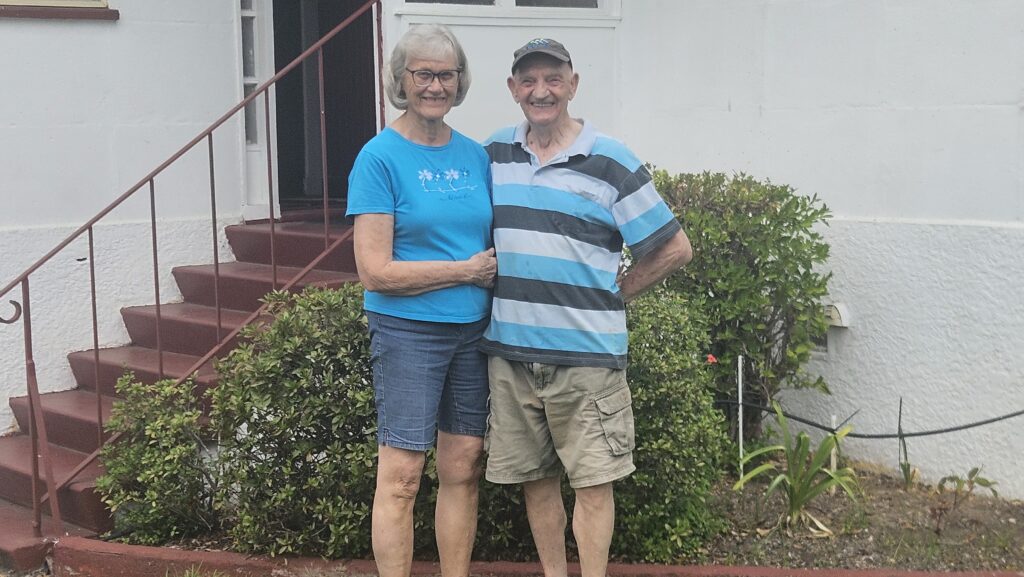
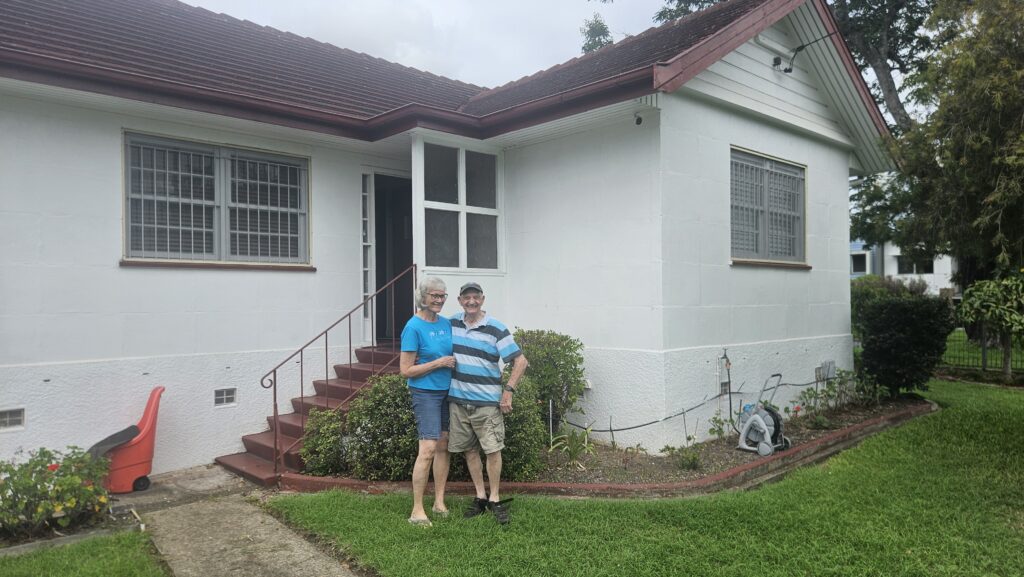
Fred and Marie then decided to take over the Dutch House from her parents. This marked a significant moment of continuity, linking wartime refugee history, post-war migration and second-generation settlement into one physical place.
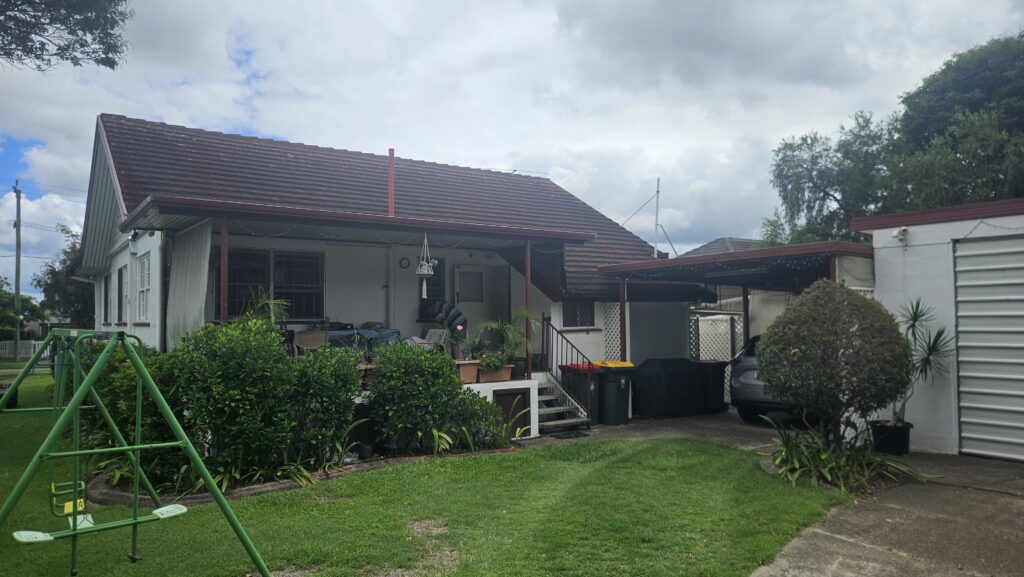
Over the years they renovated and modernised the house while retaining its original structure. The house became not only a family home but also a tangible link to both the Bakker and van Breemen migration stories.
Fred and Marie have remained strong advocates for preserving these houses, recognising their historical importance as part of Brisbane’s post-war heritage. Their home stands as one of the few examples where the original Dutch migrant connection has been maintained across generations.
A lasting legacy
As of 2026 the Dutch House at 27 Macgroarty Street remains in family hands. This continuity reflects not only the resilience of one family but also the broader success of Dutch migrants in establishing long-term roots in Queensland.
Fred’s legacy also continues through his family, with later generations maintaining a connection to football in Brisbane, demonstrating how cultural traditions introduced by migrants can endure and evolve over time.
The story of Fred and Marie van Breemen encapsulates the wider Dutch-Australian experience — from migration uncertainty and early hardship to community building, cultural contribution and lasting settlement. Their lives show how Dutch migrants brought skills, traditions and determination to Australia, leaving a lasting mark on both the social fabric and sporting life of Brisbane.
Interviewed by Paul Budde, 16 March 2026
See also: