Anna Wiebrigje “Anne” Beetstra was a Dutch-Canadian woman who travelled across the world to join the VK-KNIL during the final years of the Second World War. Her journey took her from British Columbia to military training in the United States, Camp Columbia in Brisbane and eventually Batavia in the Netherlands East Indies.
Anne’s story has been researched and written by her daughter, Claire Smith-Burns, using Anne’s wartime letters, photographs and family recollections. Claire has spent many years reconstructing her mother’s experiences and has generously made this material available so that Anne’s contribution can be included in the history of Camp Columbia and the VK-KNIL.
From Friesland to Canada
Anne was born in Friesland in 1923 and grew up in British Columbia, Canada. Although she spent much of her youth in Canada, her Dutch identity remained important to her.
A personal encounter with Princess Juliana during the princess’s wartime visit to Vancouver encouraged Anne to contribute directly to the Dutch war effort. She subsequently joined the Women’s Corps of the Royal Netherlands East Indies Army.
Training in the United States
Before travelling to Australia, Anne received military training in the United States. This brought Dutch recruits into contact with the much larger American system of women’s military training.
References to training “with the Women’s Army Corps” should be understood in this context. Anne remained a Dutch VK-KNIL member; she did not become a member of the American Women’s Army Corps.
Camp Columbia
Anne arrived at Camp Columbia at Wacol in late 1944. By then, the principal American units had moved north and the camp had become an important centre for the Netherlands East Indies Government-in-Exile and Dutch military organisations.
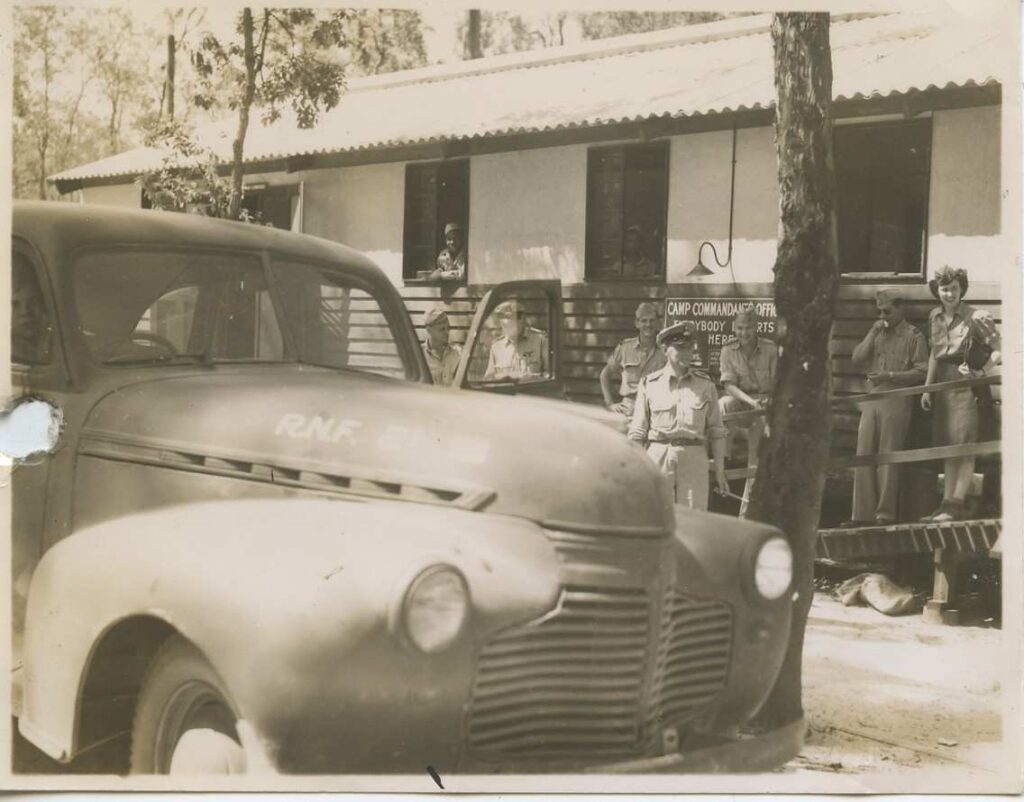
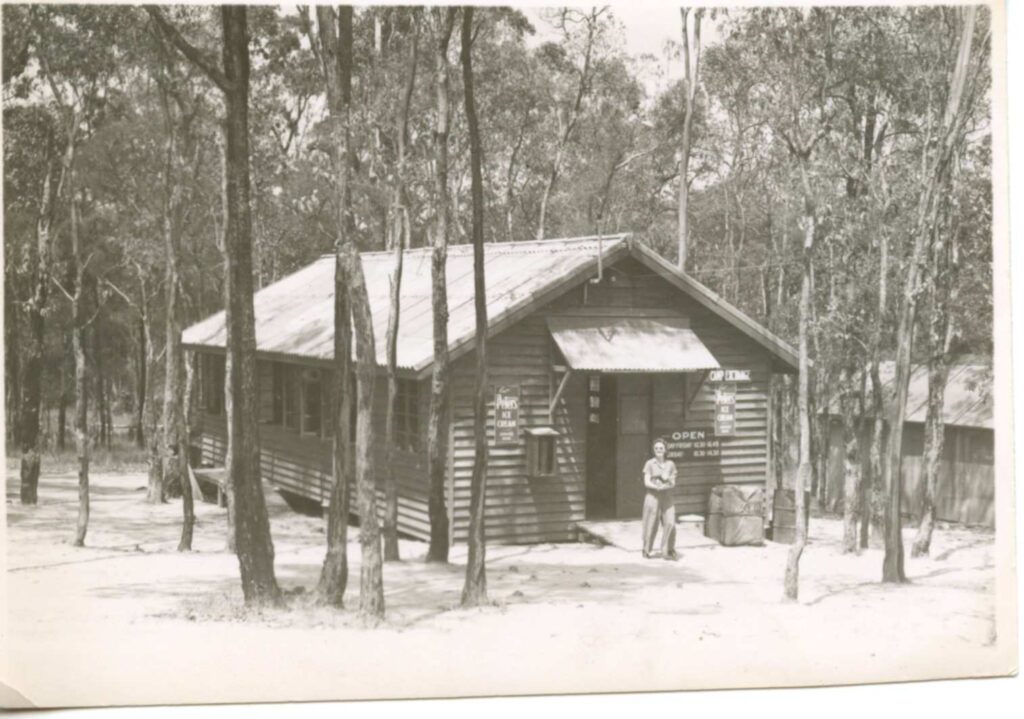
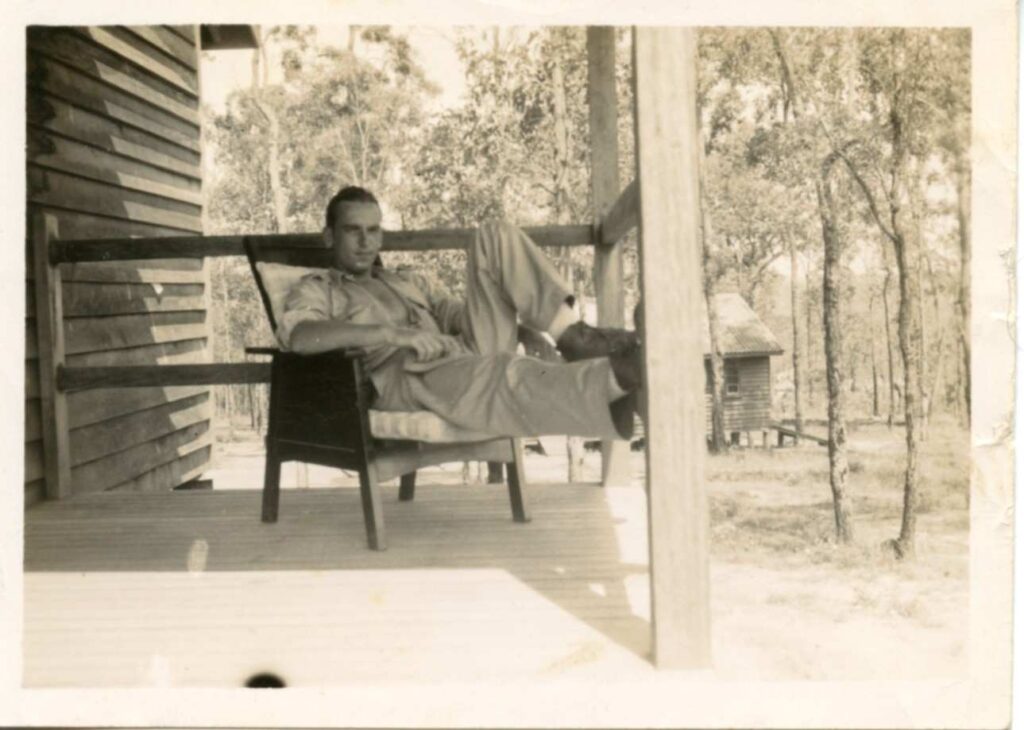
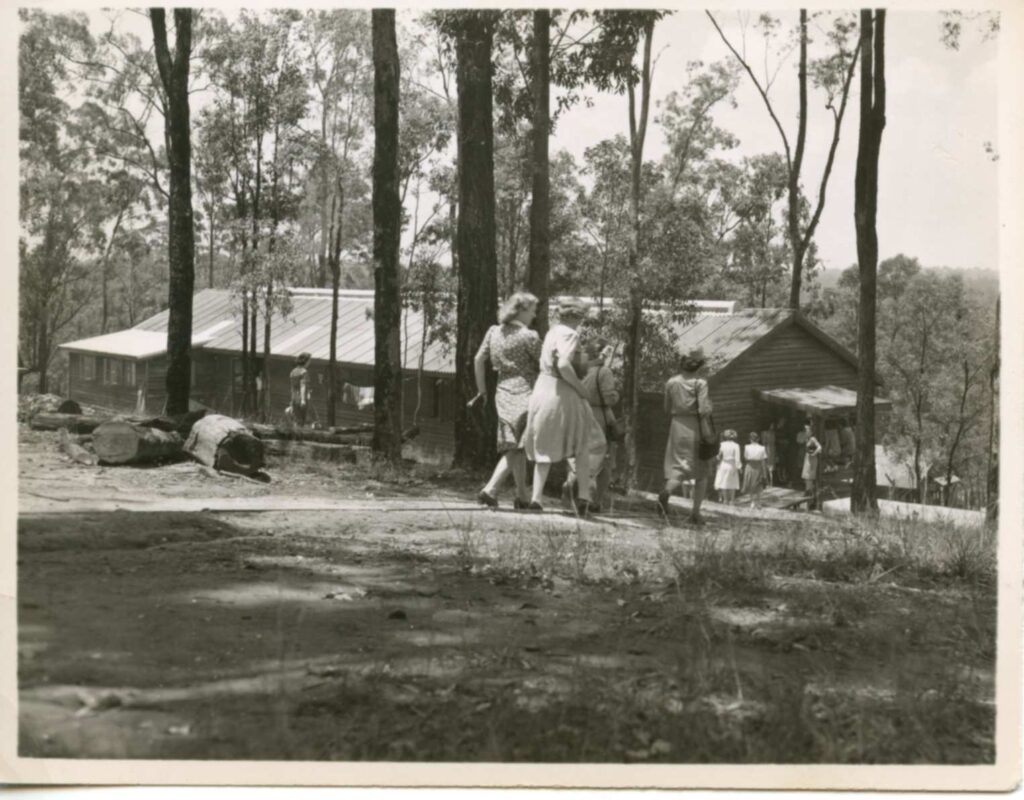
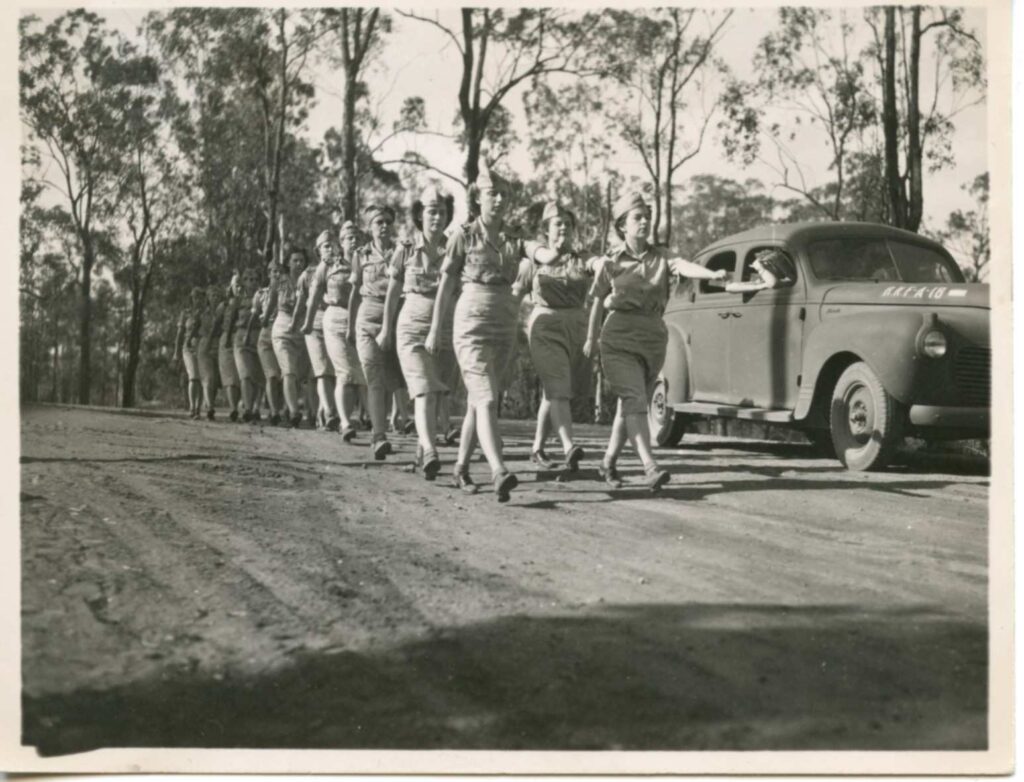
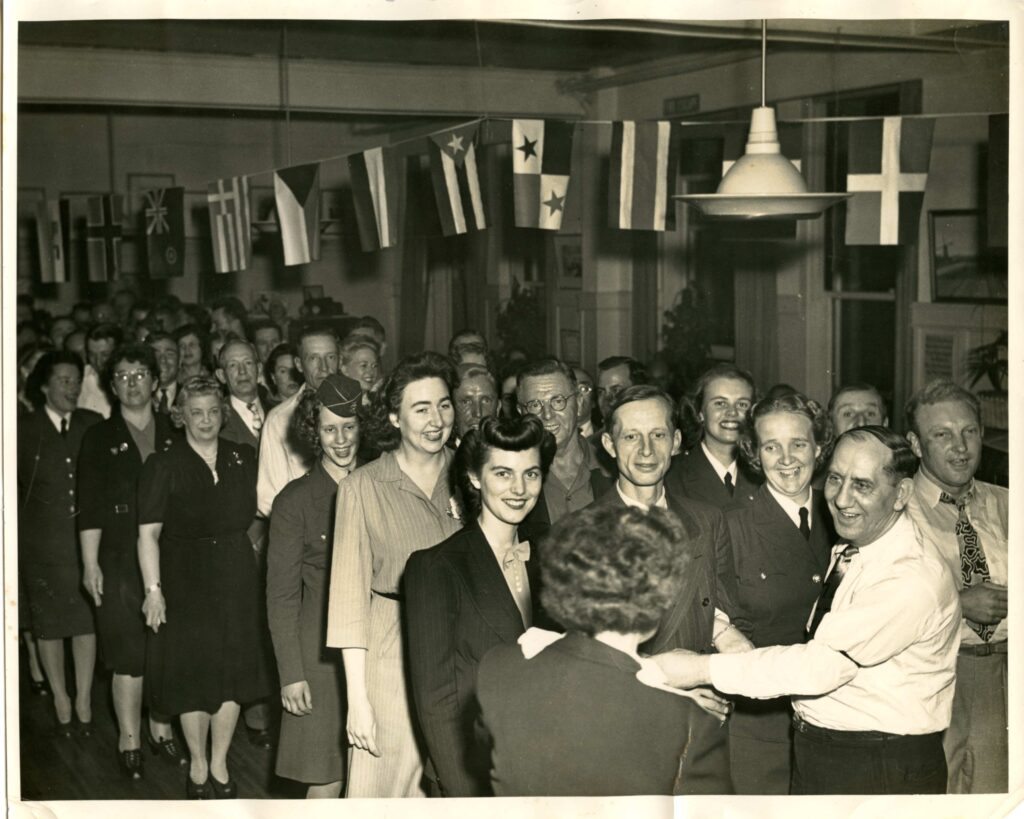
Her letters and photographs provide an intimate picture of life in the women’s quarters. They record office work, military and language training, friendships, dances, horseback riding and outings in and around Brisbane. They also describe the less comfortable aspects of camp life, including tropical insects and shortages of everyday supplies.
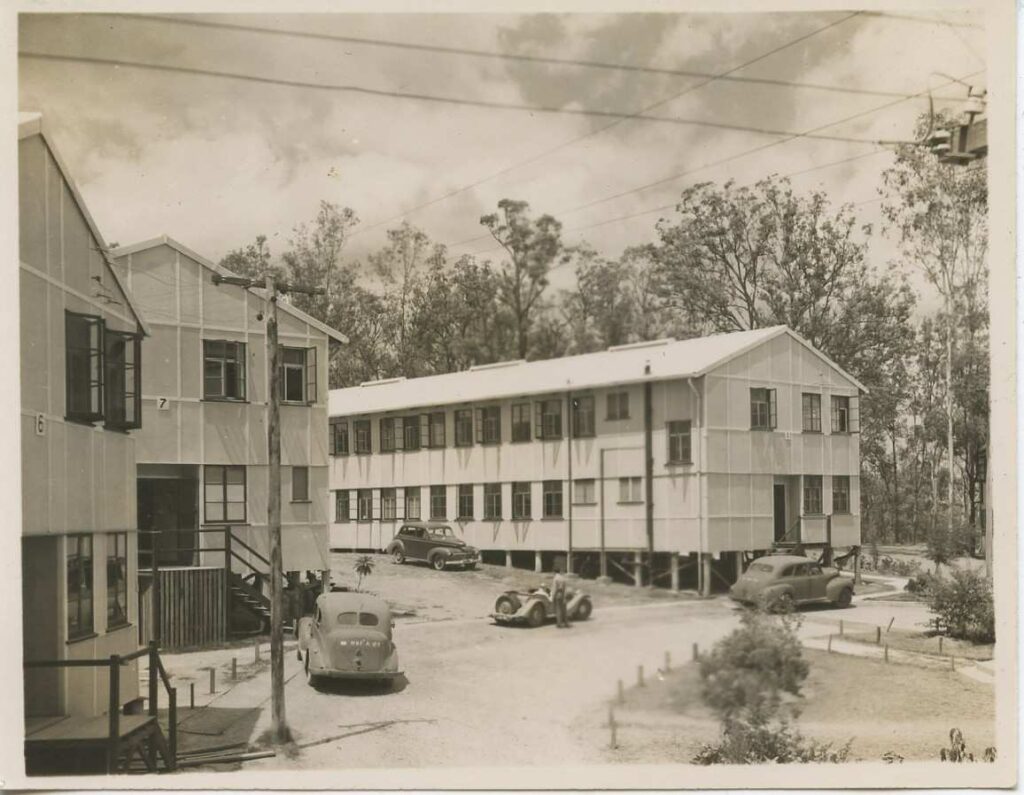
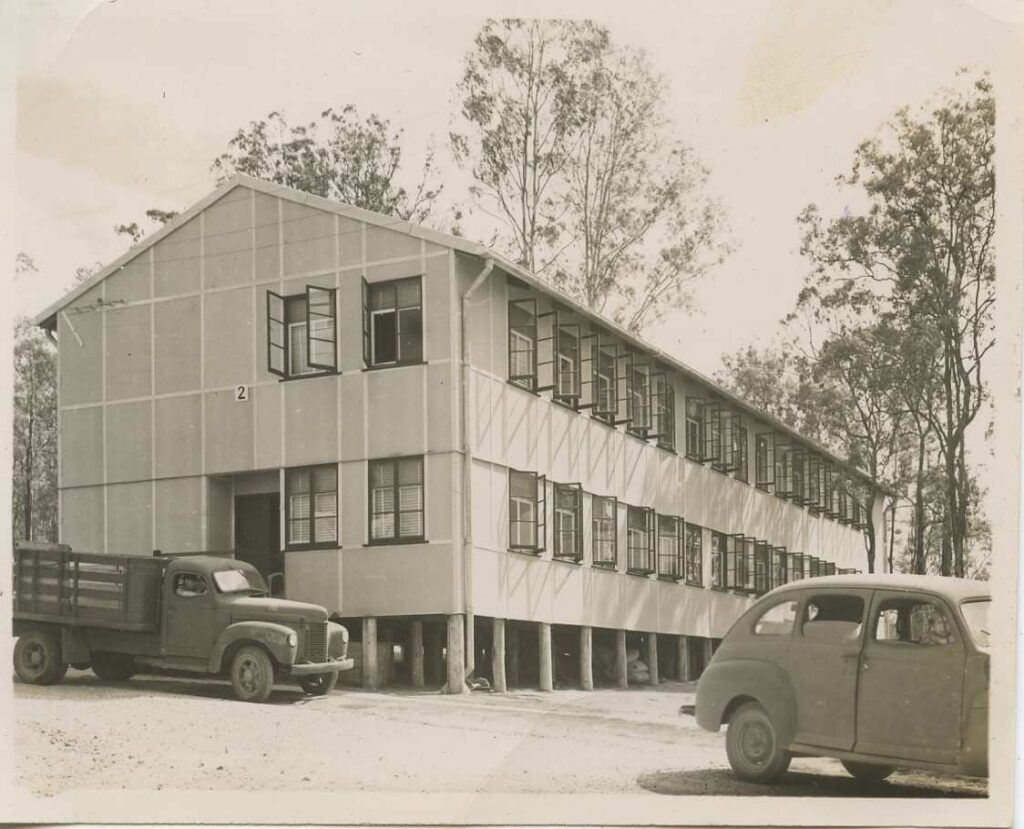
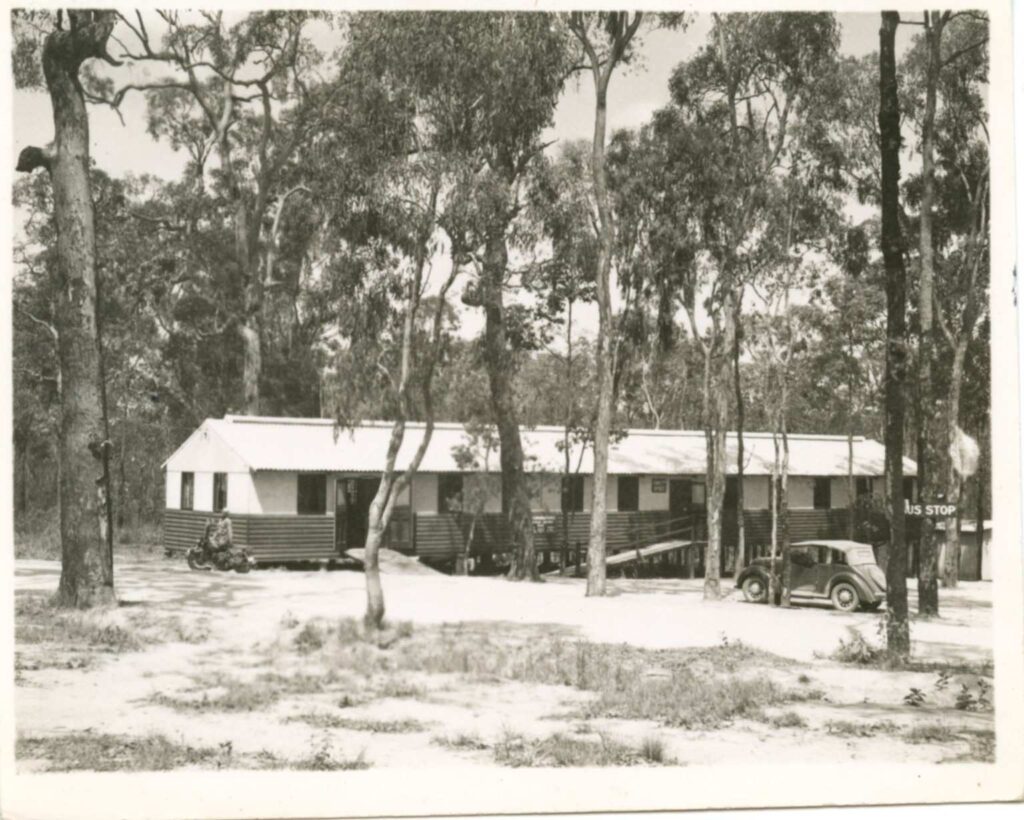
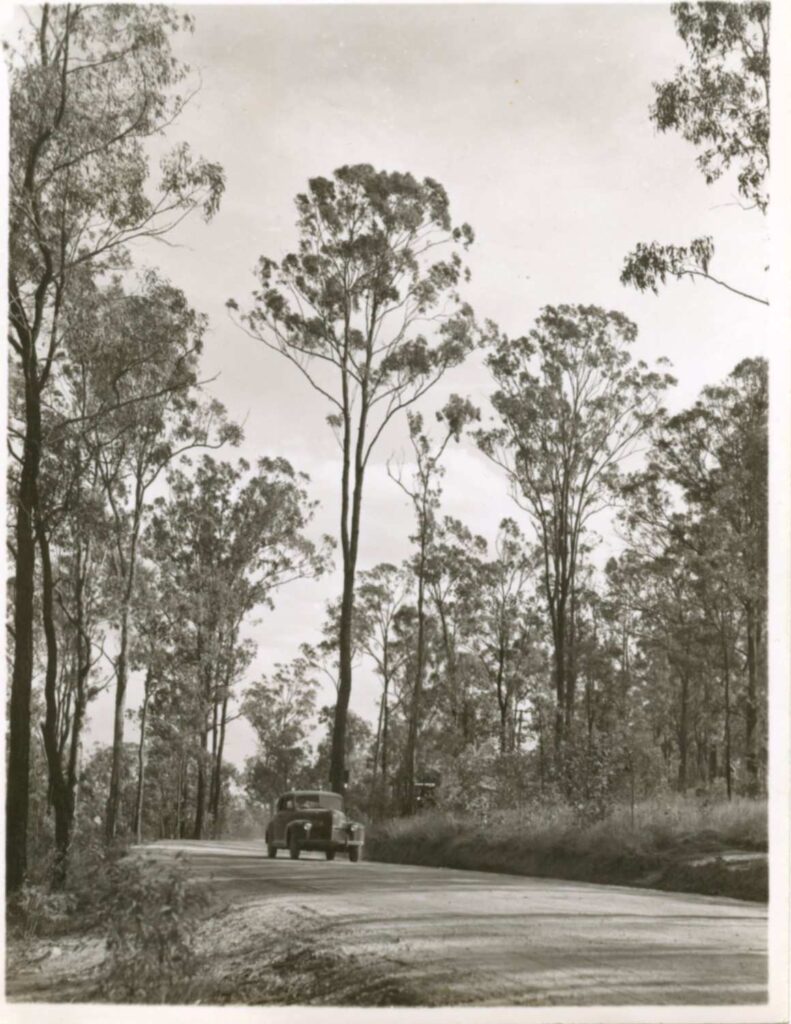
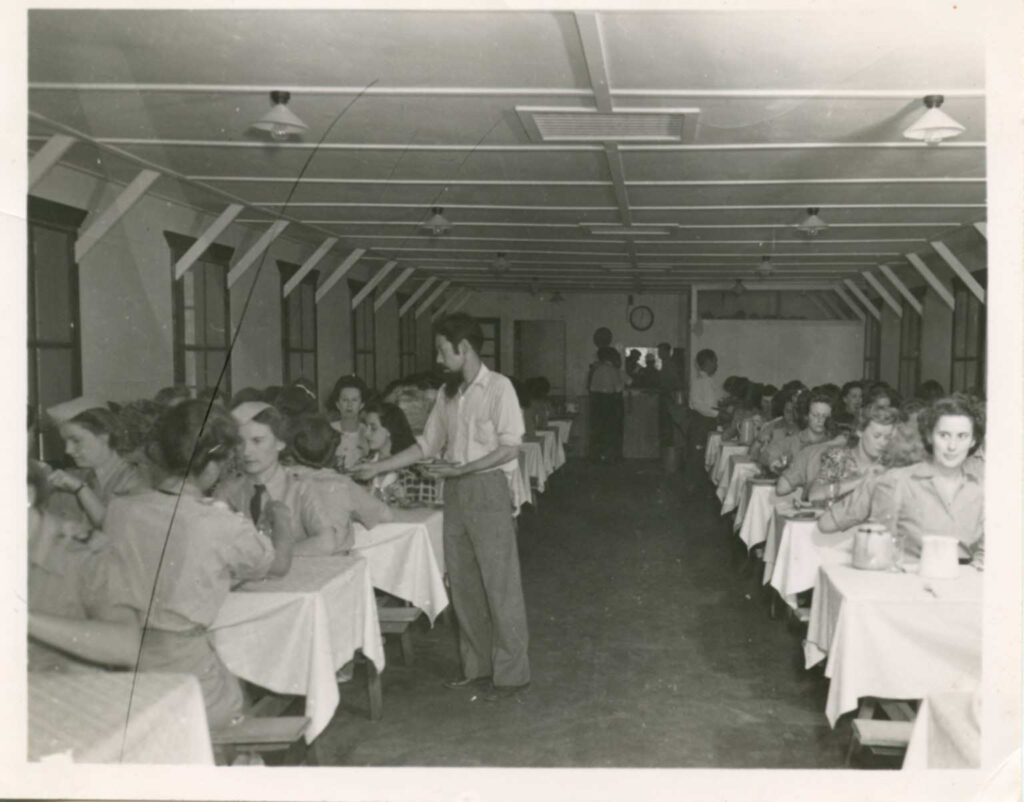
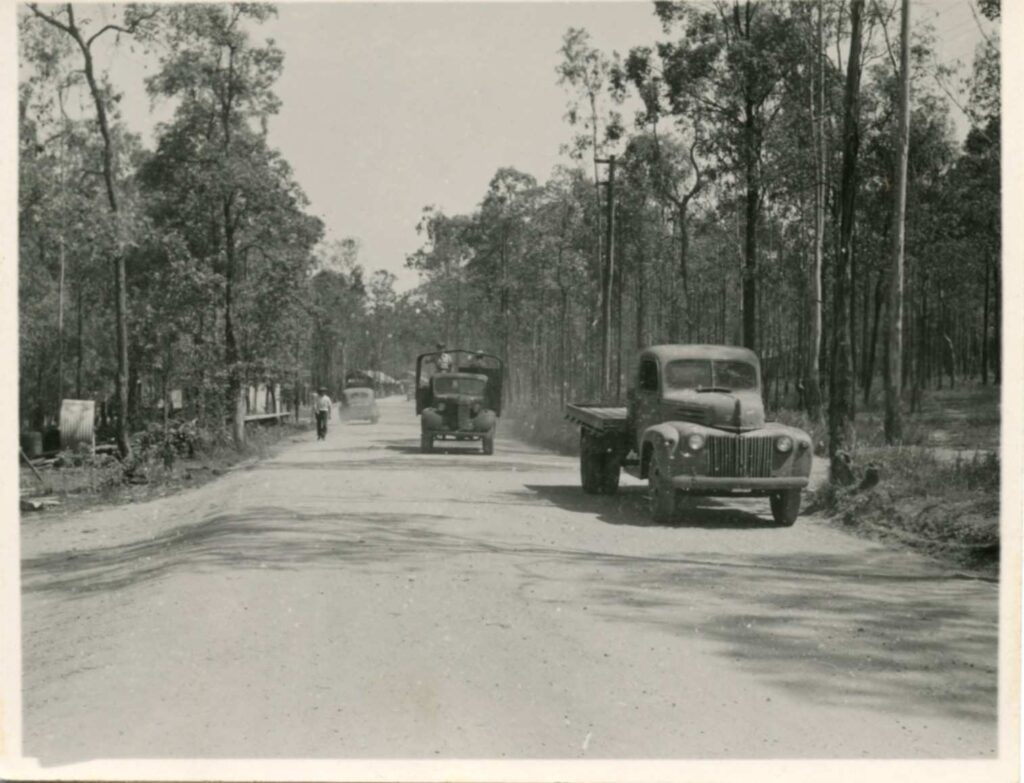
The photographs identify several women with whom Anne served, including Teresa and Alice van de Wint. They also record roads, offices, mess halls, the officers’ club, commissary, outdoor cinema and other parts of Camp Columbia.
Beyond these everyday experiences, Anne’s correspondence reveals the emotional burden carried by people separated from family and friends. News about acquaintances who had been imprisoned or killed by the Japanese brought the wider consequences of the war directly into camp life.
From Australia to Batavia
In 1945, Anne and other VK-KNIL members were sent from Australia to the Netherlands East Indies. They entered a society emerging from Japanese occupation but already experiencing food shortages, political upheaval and violence following the proclamation of Indonesian independence.
This was a very different environment from Camp Columbia. The work undertaken by the women formed part of the military, administrative and humanitarian response to the release of prisoners, the displacement of civilians and the attempted restoration of services.
Anne remained in Dutch military service until 1946. She then returned to Canada, resumed civilian life, married and raised a family.
Preserving Anne’s story
Anne Beetstra’s experience demonstrates the international character of the early VK-KNIL. Its members did not come only from Australia or the Netherlands East Indies. Women of Dutch birth or descent were recruited from Canada, the United States and other countries before being brought together for service in Australia and the Indonesian archipelago.
Her letters also allow the history to be seen from a personal perspective. Military records can document enlistment, postings and dates, but correspondence records friendships, anxieties, daily routines and the effect of war on an individual life.
Claire Smith-Burns’s account of her mother’s wartime journey is reproduced below in its original form.
This article forms part of the VK-KNIL Research Portal.
Photo gallery
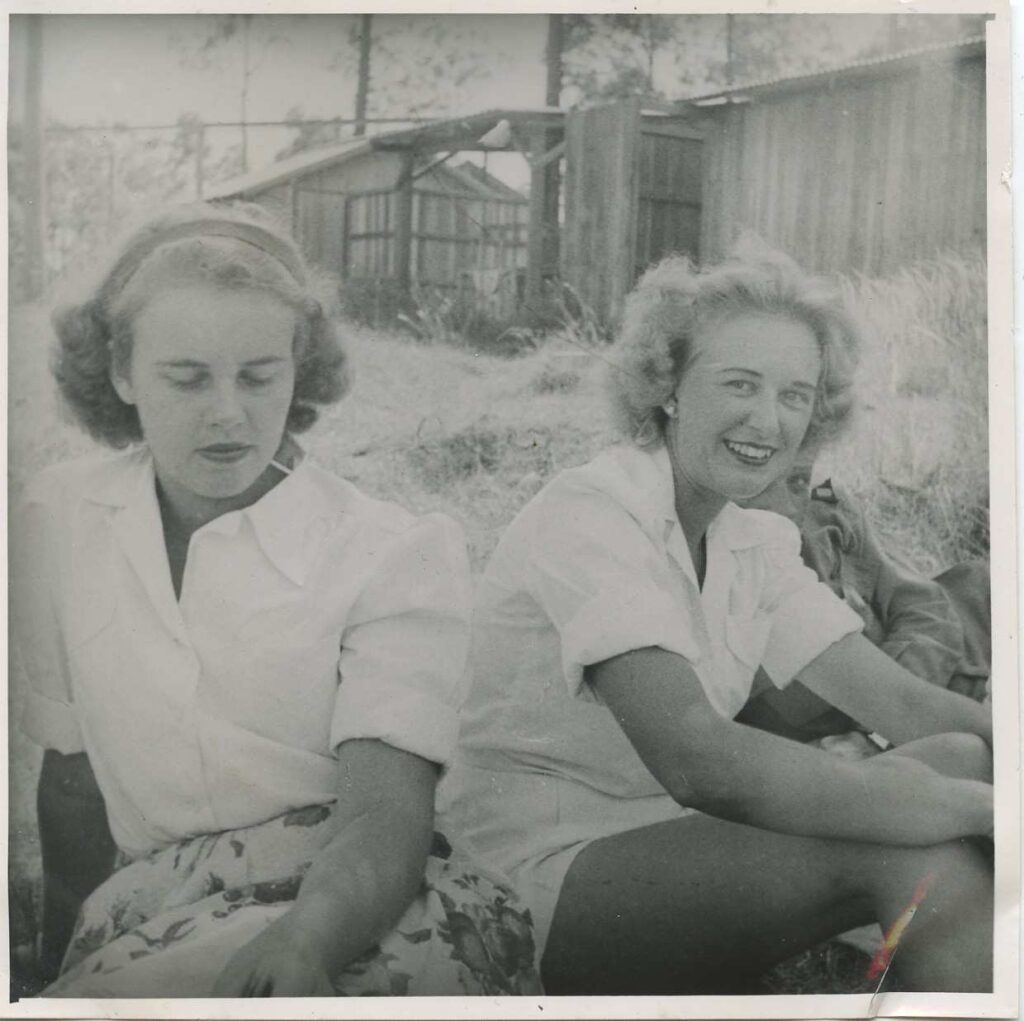
The following photographs are from the personal collection of Claire Smith-Burns of Kelowna, British Columbia, Canada. The identifications are based on information preserved with the family collection. Individual photographers are unknown unless otherwise stated.
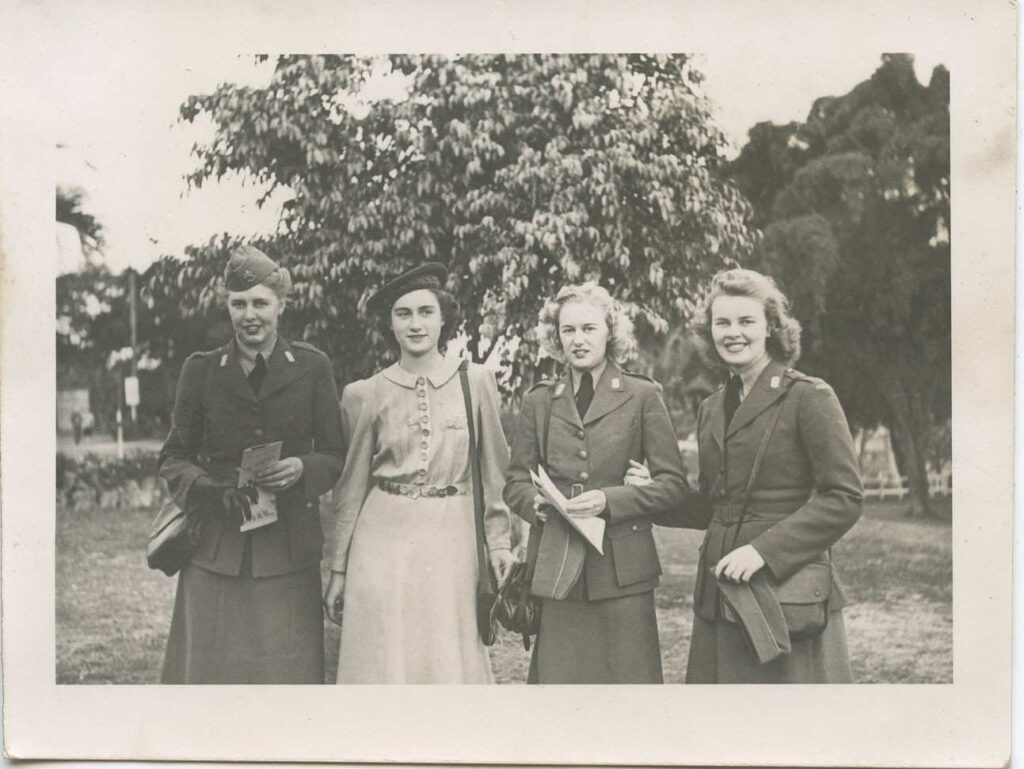
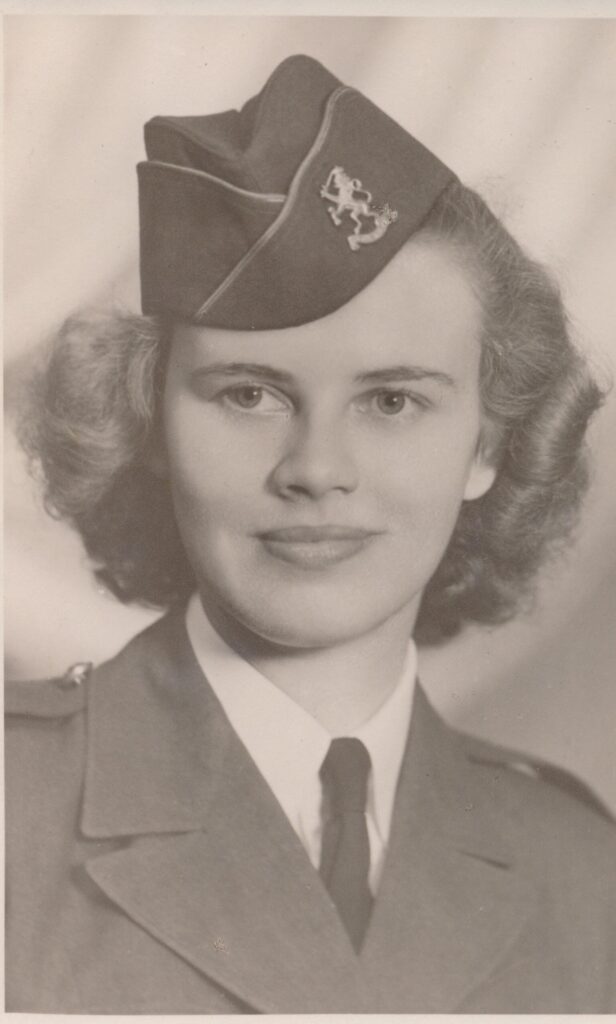
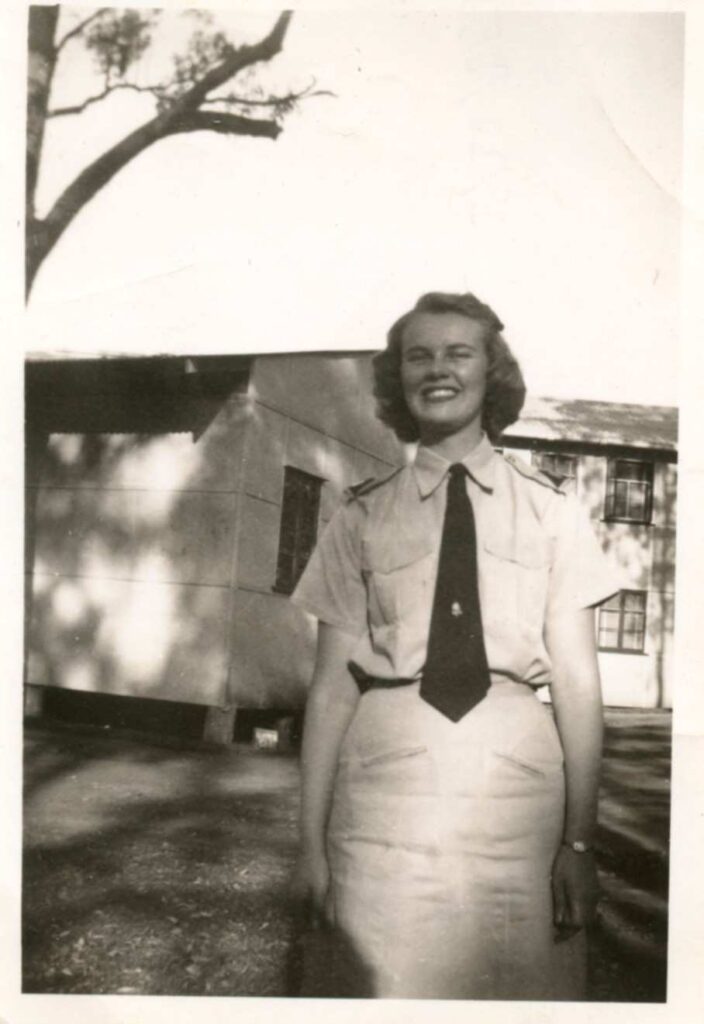
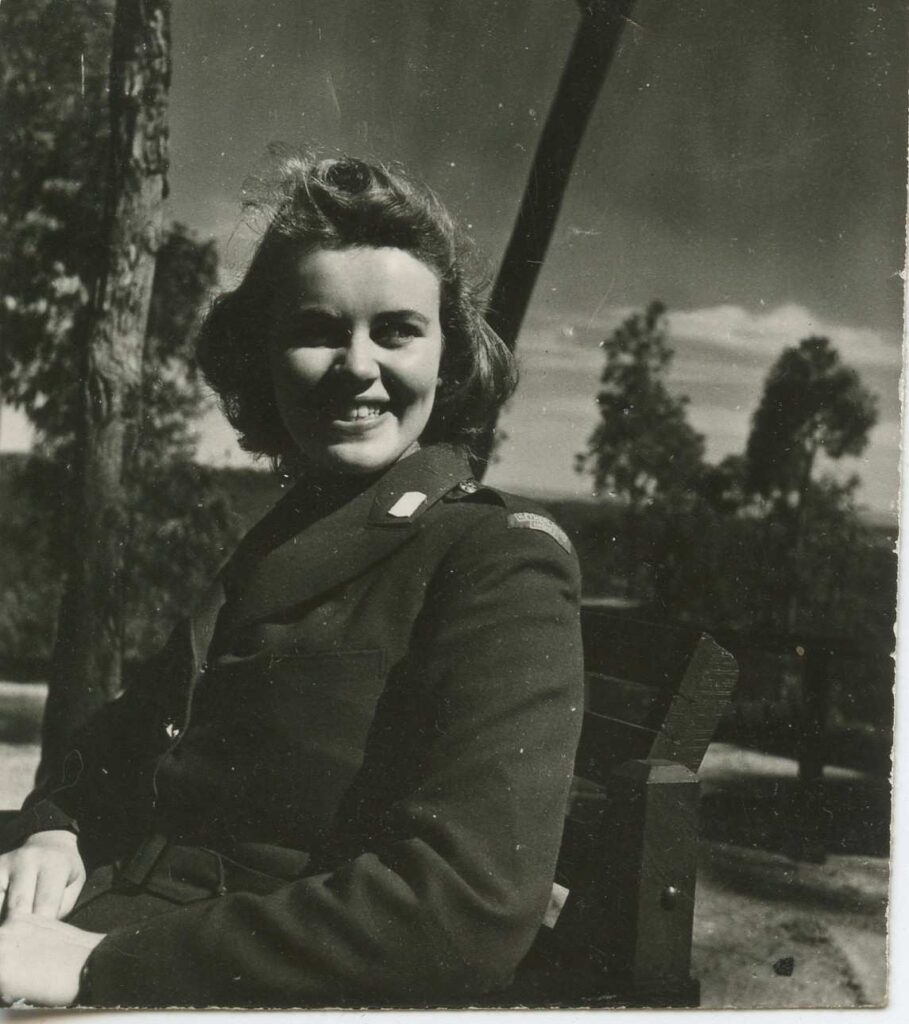
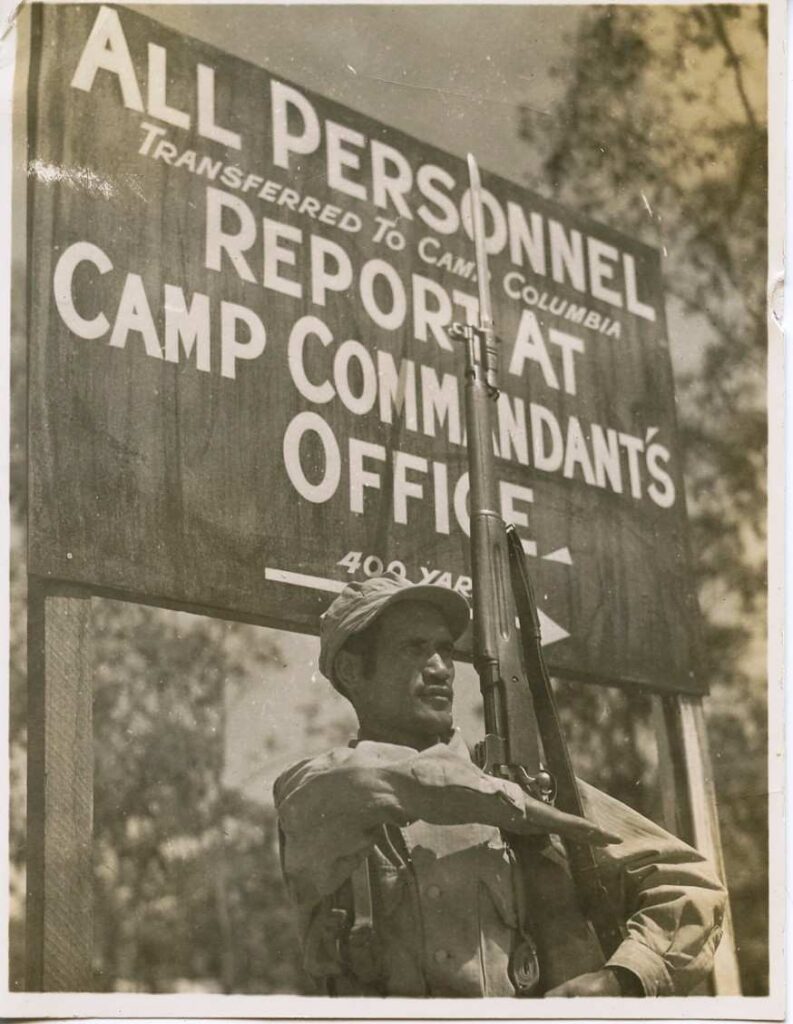
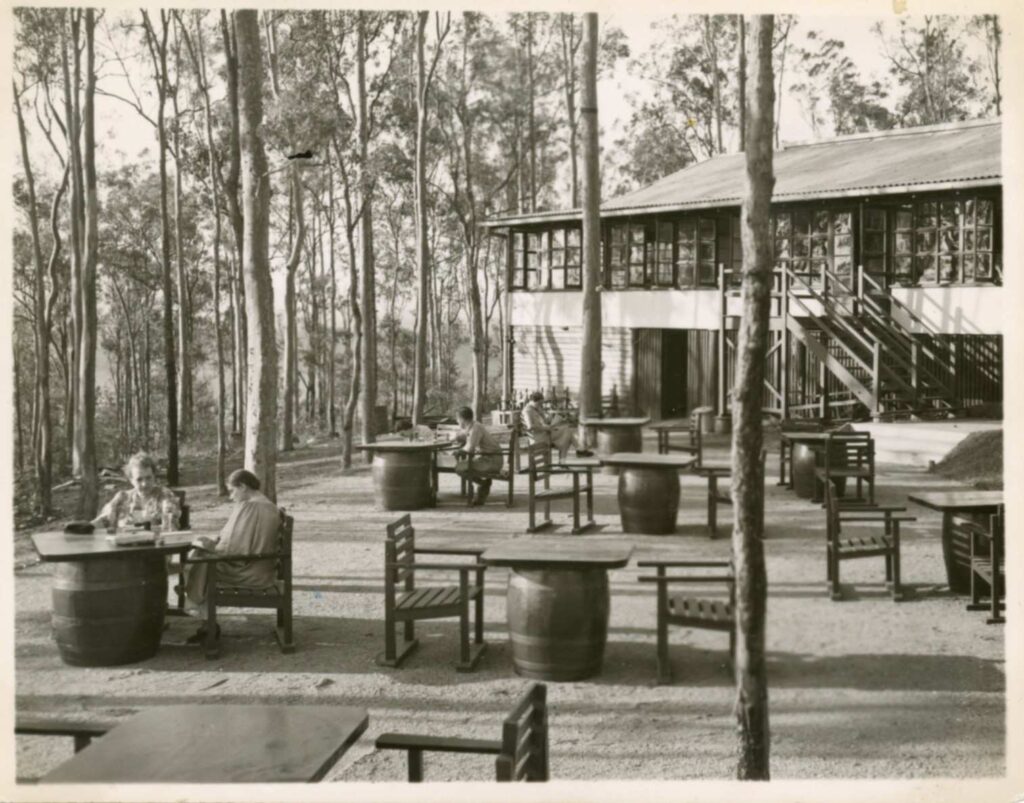
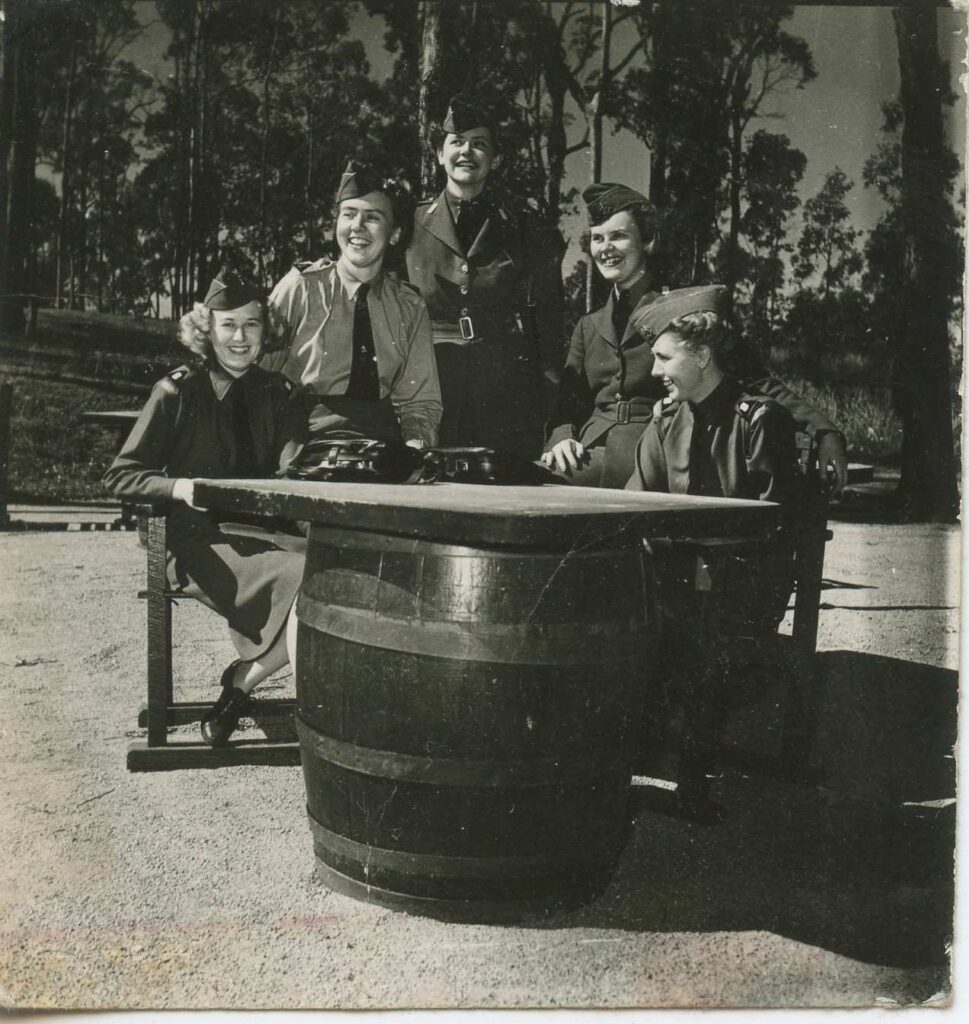
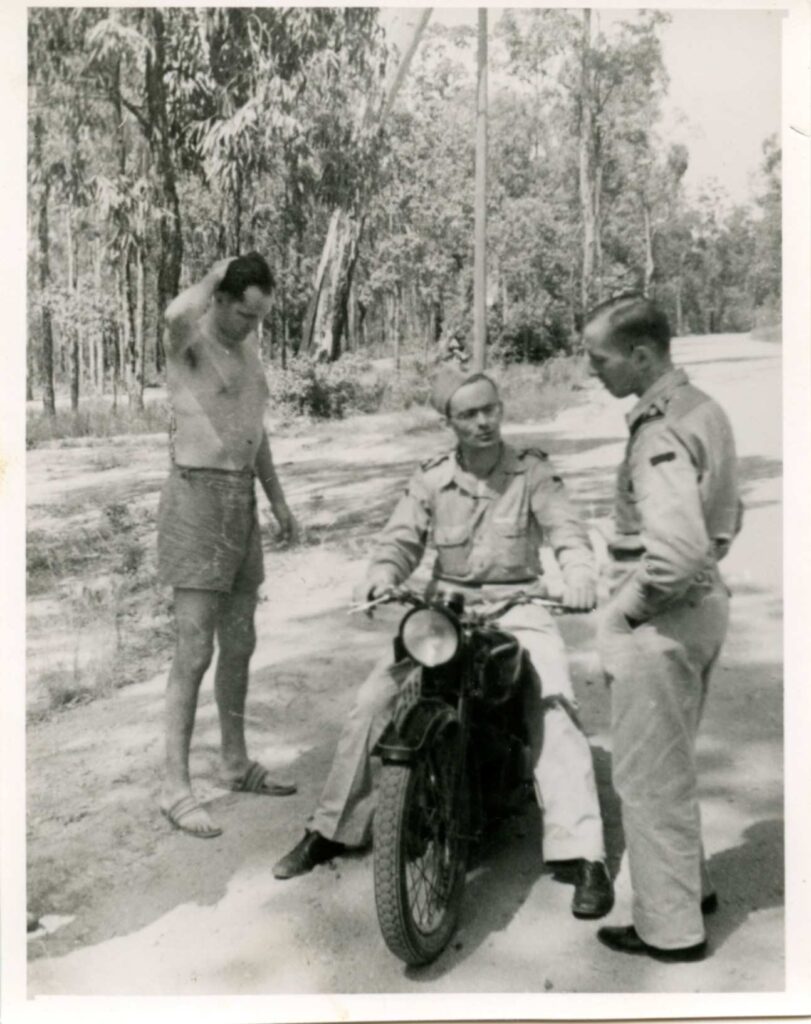
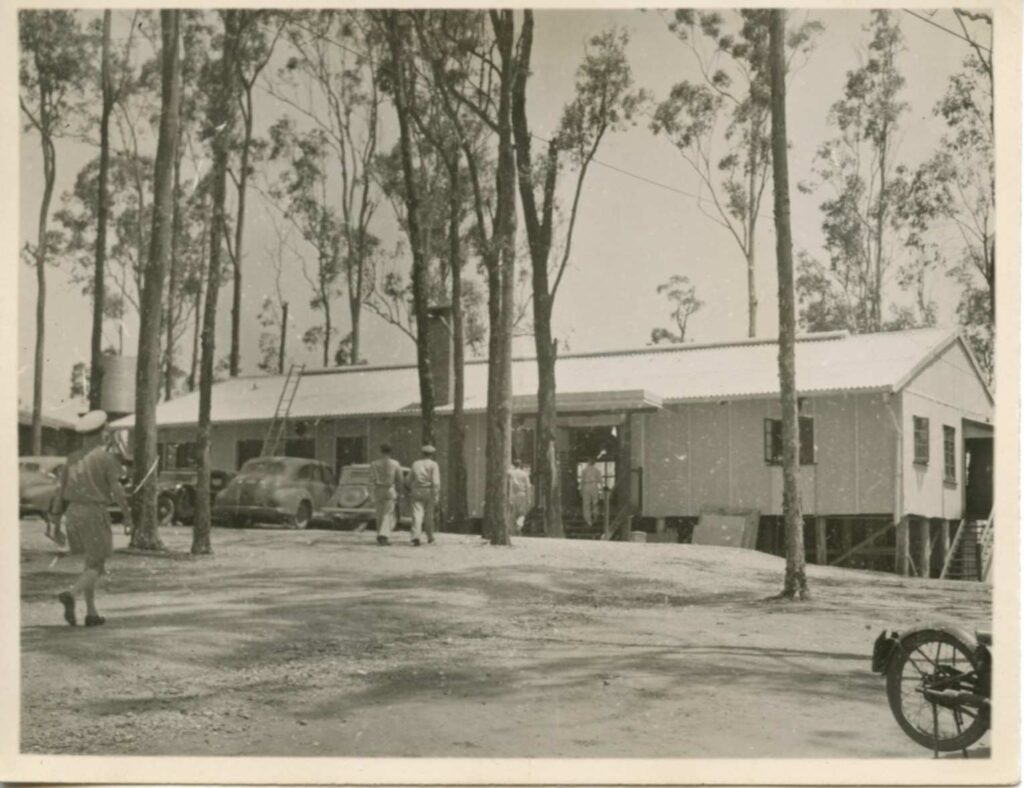
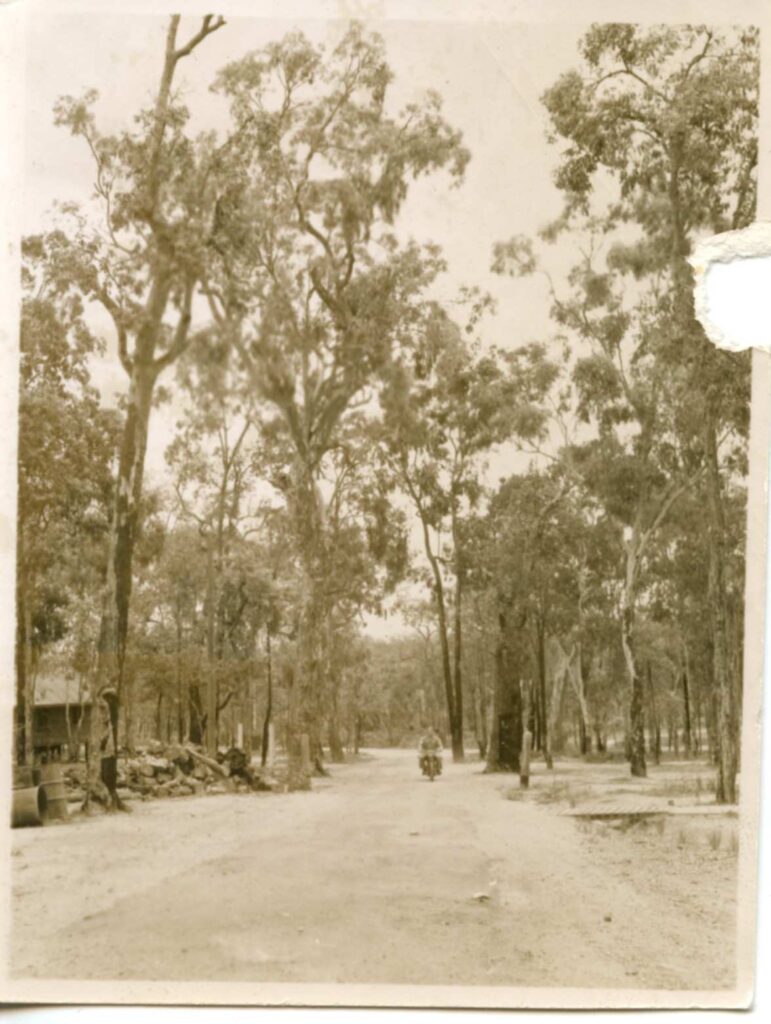
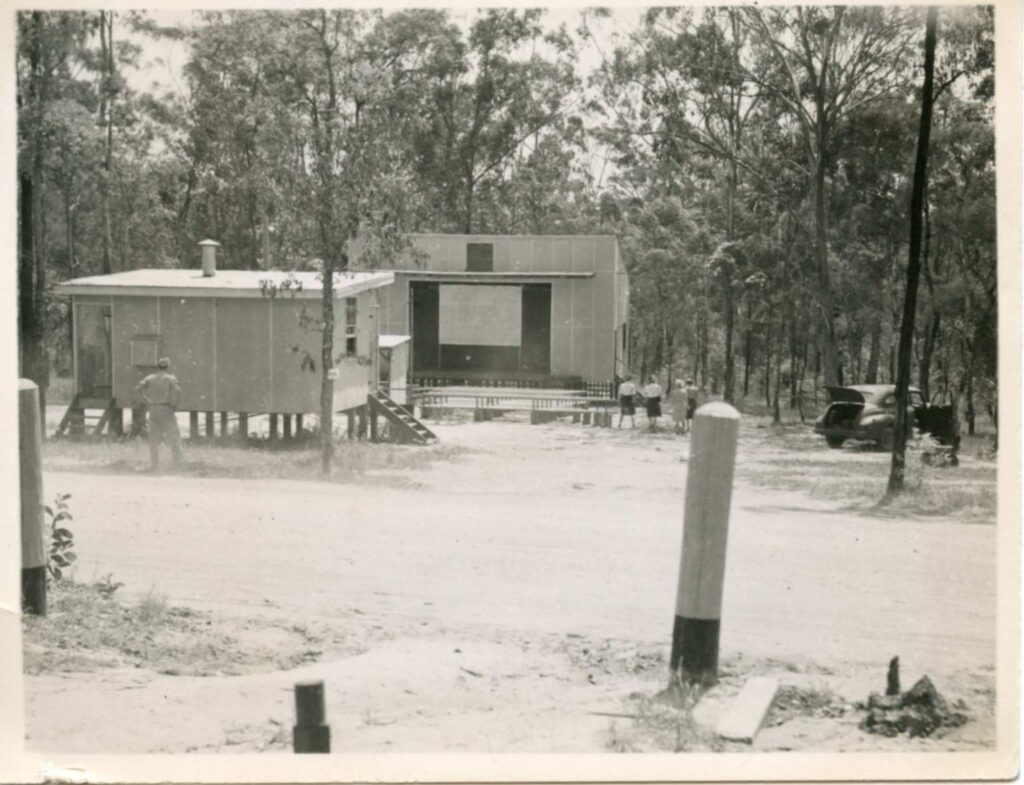
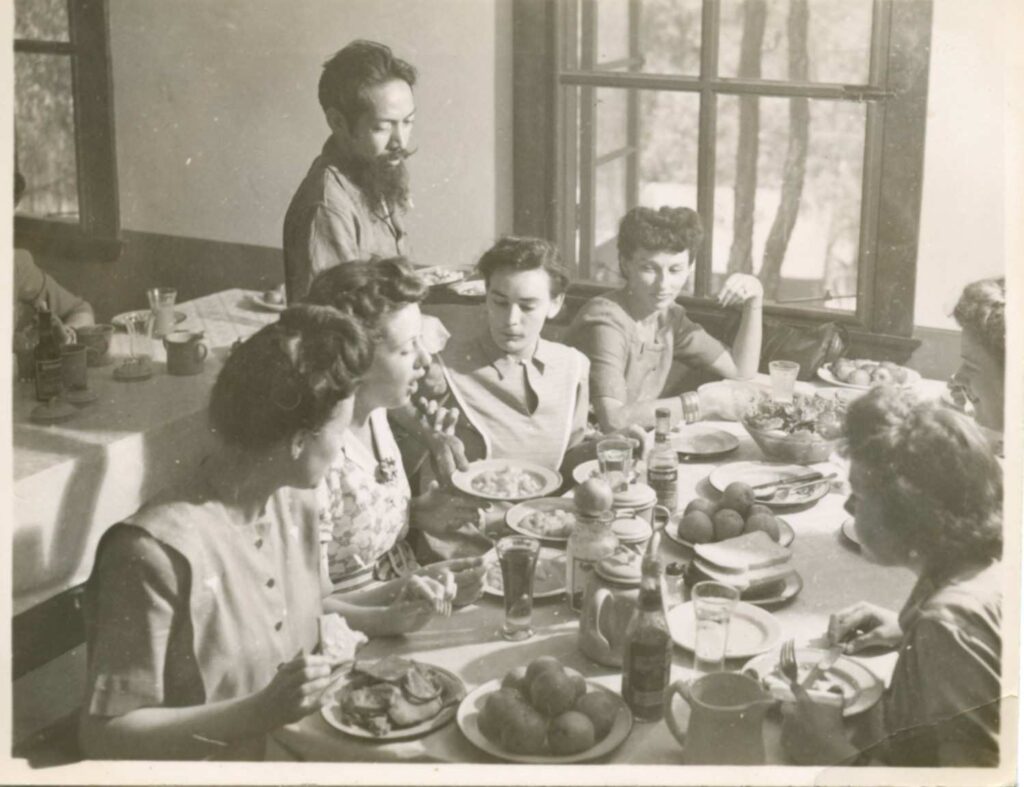
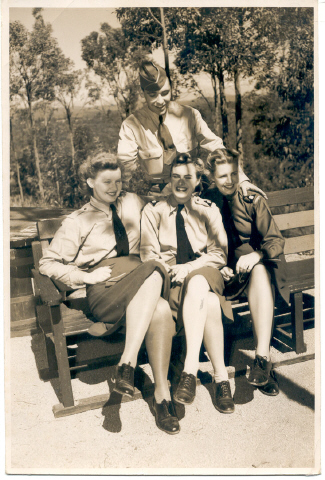
Claire believes the woman in the middle is Claire Beetstra
Anne Beetstra’s Story
Source and acknowledgement: Anne Beetstra’s wartime letters, photographs and family history, researched, compiled and provided by her daughter, Claire Smith-Burns.
See also:
Personal stories from the Women Army Corps – trained at Camp Columbia
Personal recollections Camp Columbia – Jean van Schilfgaarde
Joan McConachy – secretary at Camp Columbia
Patricia Metcalfe and Wim van Wely met at Camp Columbia.
Dutch Women Army Corps at Yeronga Park Brisbane (WWII)
Saluut Batavia – Uncovering the untold story of female KNIL soldiers in Indonesia