The North American B-25 Mitchell N5-128 was one of the early aircraft operated by No. 18 (Netherlands East Indies) Squadron RAAF during its formative period in Australia in World War II.
Arriving during 1942, N5-128 formed part of the initial group of B-25 bombers that arrived at Archerfield Airport in Brisbane and enabled the Dutch squadron in exile to rebuild its operational capability after the fall of the Netherlands East Indies. This was a period marked by shortages, delays and low morale, as crews waited to become fully operational.
By late 1943, the aircraft was actively engaged in combat operations. Squadron records show that on 17 December 1943, N5-128, flown by Lieutenant Moquette, took part in an attack on a barge at Nila Island. The target was left burning, reflecting the type of low-level anti-shipping missions carried out by the squadron across the islands to the north of Australia .
While N5-128 does not feature prominently in later specialised operations—such as the long-range leaflet missions undertaken by modified aircraft—it represents the backbone of the squadron’s operational work. Aircraft like this carried out the routine but essential strikes that formed the daily reality of the air campaign.
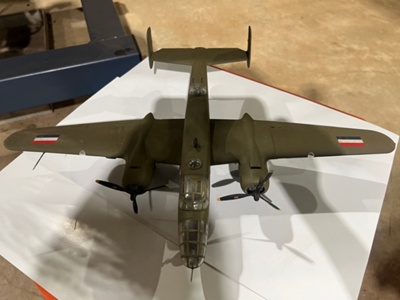
Today, a model of a B-25 Mitchell from 18 (NEI) Squadron is held at the Darwin Aviation Museum. Although this model represents N5-128 rather than one of the later specialised aircraft, it provides a tangible link to the squadron’s early operational phase in Australia and to the broader story of Dutch airmen in exile.
The story of N5-128 may not be marked by dramatic individual events, but it reflects the steady, often overlooked contribution of the squadron’s crews and aircraft during a critical period of the war.
Source: De Militaire Luchtvaart van het KNIL in de jaren 1942-1945