Dutch and Indonesian refugees in Australia from the Netherlands East Indies, 1942–1946

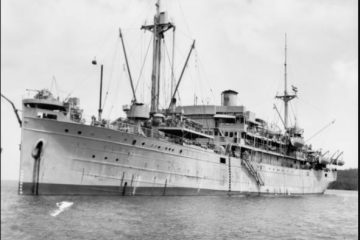
By Dr Nonja Peters This paper examines the complex experiences of Dutch, Eurasian, and Indonesian evacuees who fled the Japanese occupation of the Netherlands East Indies during the Pacific War and found temporary refuge in Australia. Drawing on archival sources and eyewitness accounts, it explores their reception, living conditions, and Read more
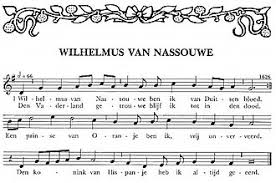
Dutch squadron choir in wartime Australia: voices of resilience and diplomacy

When the Netherlands East Indies collapsed under Japanese attack in early 1942, hundreds of Dutch and Indonesian military personnel found themselves in Australia. Among the units reorganised there was No. 18 (Netherlands East Indies) Squadron RAAF, a joint Dutch–Australian squadron equipped with American-built B-25 Mitchell bombers. During the difficult months Read more

From indifference to diplomacy: how the war transformed Dutch–Australian foreign relations

Before the Second World War, the relationship between Australia, the Netherlands and the Netherlands East Indies (NEI) was marked by cordial distance rather than active diplomacy. There were no resident embassies , no treaties of alliance, and few direct communications between the two governments. Australia’s foreign affairs were largely managed Read more

Wartime reform and Indonesian voices: Dutch–Indonesian political tensions in exile

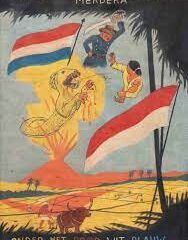
While the Netherlands East Indies (NEI) was under Japanese occupation during the Second World War, political questions about the colony’s future did not disappear—they intensified. For many in the Dutch exile administration, the war was a time to consider how to reassert sovereignty after liberation. But for others, particularly reform-minded Read more

Reform or restoration? Political tensions over the future of the Netherlands East Indies during wartime exile

Following the Japanese invasion and collapse of the Netherlands East Indies (NEI) in early 1942, Dutch political and military leadership scattered across the globe. Many civil and military authorities regrouped in Australia and Ceylon, while the central government-in-exile remained in London. Amid the chaos, a major political fault line emerged Read more